
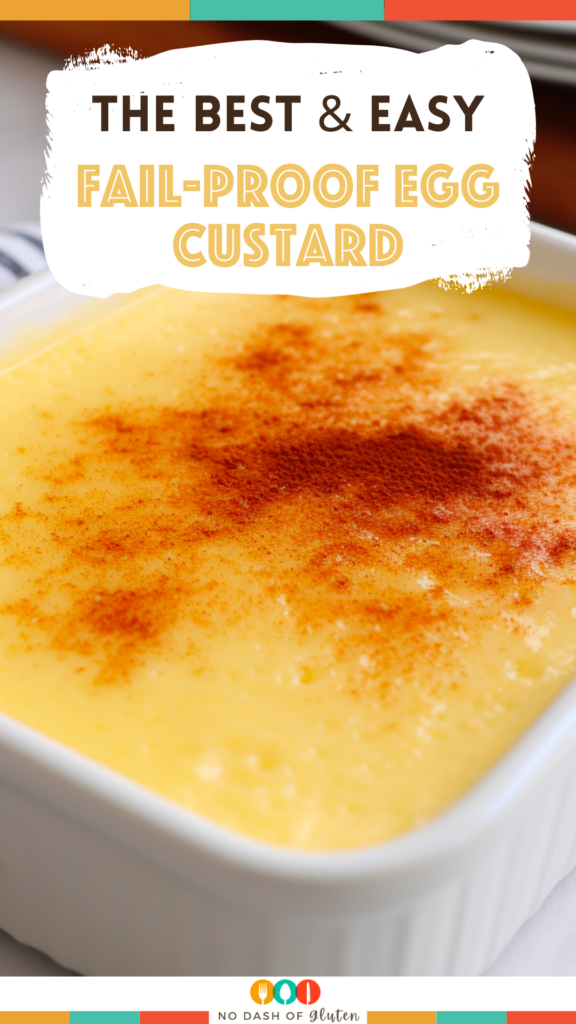
Some desserts whisper. This one does. It asks for little: eggs, milk, sugar, a whisper of vanilla. In return, it gives a silky, trembling custard that feels like a pause in a busy day.
Advertisements1
I like to make it when the house is quiet. The oven does its slow work, and the kitchen fills with a warm, sweet scent. No stand mixer, no fuss. Just patience and a gentle hand.
This is the custard I grew up with in Denmark – simple, humble, and deeply comforting. Serve it warm or chilled, with a dusting of nutmeg or a spoonful of jam.
Why You'll Love This Recipe
About the Ingredients
4 large eggs
Use fresh, room-temperature eggs for best texture. If you only have cold, let them sit in warm water for 5 minutes before using.
1/2 cup (100g) granulated sugar
Fine sugar dissolves more easily. You can reduce to 1/3 cup for a less sweet version, or use coconut sugar for a caramel note.
1/4 teaspoon salt
A pinch of salt balances the sweetness and enhances the flavor. Use fine sea salt or table salt.
2 cups (480ml) whole milk
Whole milk gives the richest custard. You can substitute 2% or a mix of milk and cream; avoid skim for best texture.
1 teaspoon vanilla extract
Pure vanilla extract is best. If using vanilla bean, scrape the seeds from half a pod and add both seeds and pod to the milk while heating.
1/4 teaspoon ground nutmeg (optional, for dusting)
Freshly grated nutmeg is lovely. You can also use cinnamon or omit entirely.
Tips & Tricks
Don't overheat the milk
Heat it just until steaming, not boiling. Scalding can curdle the eggs.
Strain the mixture
Pouring through a fine-mesh sieve removes any egg solids for a smooth custard.
Use a water bath
This gentle heat prevents curdling and ensures a silky texture.
Don't overbake
The custard should be set at the edges but still jiggle in the center when gently shaken.
Pro Tips
Step-by-Step Instructions
1. Preheat Oven
Preheat your oven to 325°F (160°C). Place a kettle of water on to boil for the water bath.
2. Whisk Eggs and Sugar
In a medium bowl, whisk the eggs, sugar, and salt until well combined and slightly pale, about 1 minute. Do not overmix – you don't want air bubbles.
3. Heat the Milk
In a small saucepan, heat the milk over medium heat until steaming and small bubbles form around the edge (about 180°F / 82°C). Remove from heat and stir in vanilla.
4. Temper the Eggs
Slowly pour about 1/2 cup of the hot milk into the egg mixture while whisking constantly. Then, with the mixer running, pour in the remaining milk in a steady stream.
5. Strain the Mixture
Pour the custard through a fine-mesh sieve into a large measuring cup or bowl. This removes any cooked bits.
6. Fill Ramekins
Place six 6-ounce (180ml) ramekins in a deep baking dish. Divide the custard evenly among them. If desired, dust the tops with nutmeg.
7. Bake in Water Bath
Carefully pour the hot water from the kettle into the baking dish, halfway up the sides of the ramekins. Bake for 35–40 minutes, until the edges are set and the centers jiggle slightly when shaken. A knife inserted near the edge should come out clean.
8. Cool and Serve
Remove the ramekins from the water bath and let cool on a wire rack for at least 15 minutes. Serve warm, or chill for 2 hours for a cold custard.
Delicious Variations
Vanilla Bean Custard
Use one vanilla bean, split and scraped, instead of extract. Steep the pod in the milk for 10 minutes before proceeding.
Chocolate Custard
Add 2 ounces (60g) chopped dark chocolate to the hot milk and stir until melted before tempering.
Coconut Custard
Replace half the milk with coconut milk and add 1/2 teaspoon coconut extract. Top with toasted coconut flakes.
How to Store Egg Custard Recipe With Milk
Refrigerator
Cover ramekins with plastic wrap and store for up to 3 days.
Freezer
Not recommended – the texture will become watery upon thawing.
Reheating
If serving warm, reheat in a 300°F (150°C) oven for 10 minutes, or in the microwave in 15-second bursts at low power.
Frequently Asked Questions
Q: Why did my egg custard curdle?
Curdling happens when the eggs get too hot too quickly. Always temper by slowly adding hot milk to eggs, and bake in a water bath at a low temperature (325°F/160°C).
Q: Can I use a different milk like almond or oat?
Yes, but the texture will be softer and less rich. Use a barista-style plant milk for best results, and expect a slightly different flavor.
Q: How do I know when the custard is done?
The edges should be set but the center should jiggle slightly when you gently shake the ramekin. A knife inserted near the center will come out slightly moist.
Q: Can I make this custard ahead of time?
Absolutely. Prepare and bake the custard, then cool and refrigerate. They keep well for up to 3 days. Serve chilled or reheat gently.
Q: Why is there skin on top of my custard?
The skin forms from proteins drying out. To prevent it, cover the custard with plastic wrap while cooling, or serve immediately.
If you make this silky custard, I'd love to hear how it turns out. Leave a comment below or tag me in your photo. Breathe, then unplug.
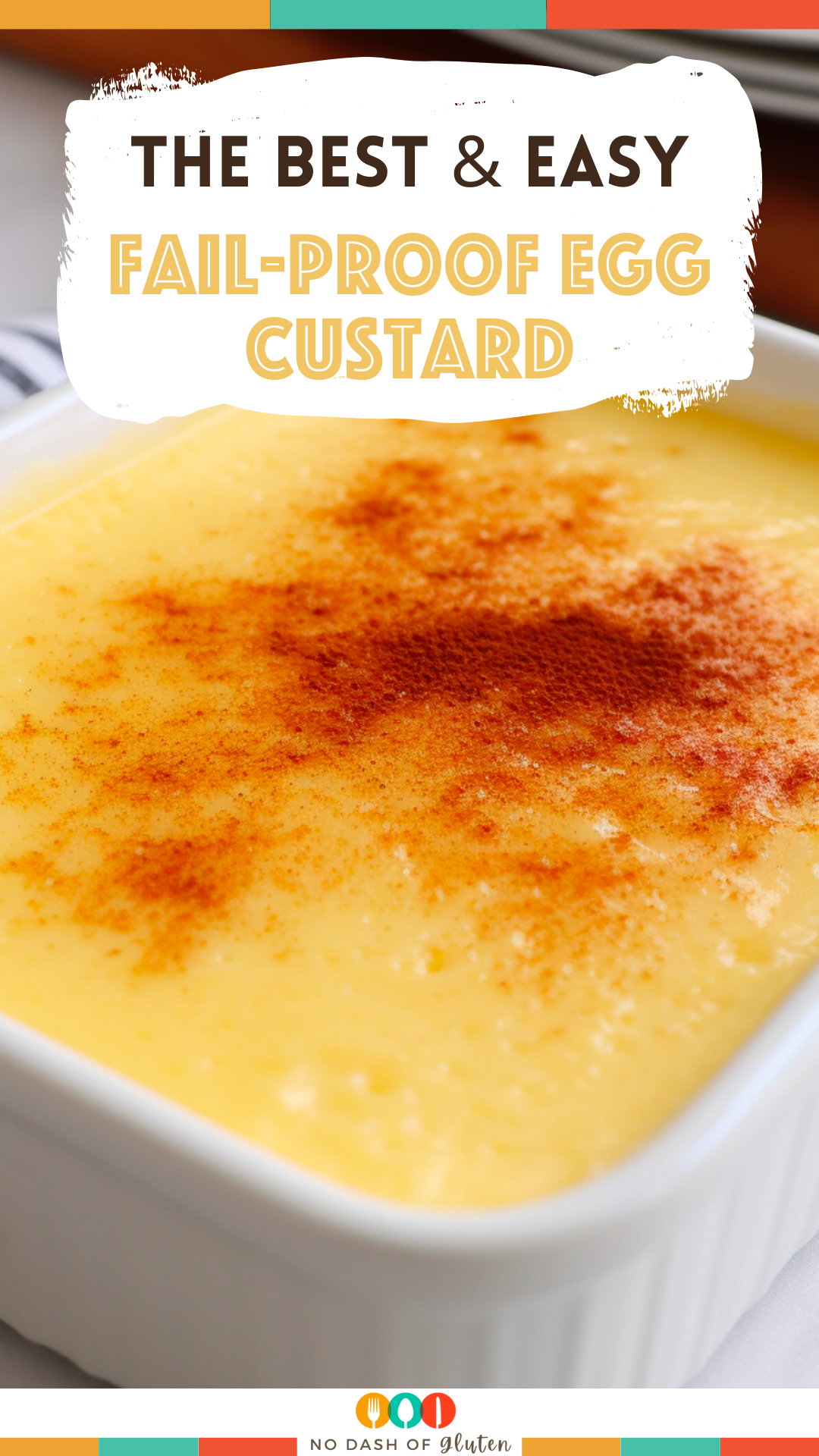
Egg Custard Recipe With Milk
Egg Custard With Milk – a silky, gently baked classic that brings comfort in every spoonful. Simple ingredients, timeless flavor.
🧂 Ingredients
- 4 large eggs
- 1/2 cup (100g) granulated sugar
- 1/4 teaspoon salt
- 2 cups (480ml) whole milk
- 1 teaspoon vanilla extract
- 1/4 teaspoon ground nutmeg (optional, for dusting)
📋 Instructions
- 1Preheat Oven — Preheat your oven to 325°F (160°C). Place a kettle of water on to boil for the water bath.
- 2Whisk Eggs and Sugar — In a medium bowl, whisk the eggs, sugar, and salt until well combined and slightly pale, about 1 minute. Do not overmix – you don't want air bubbles.
- 3Heat the Milk — In a small saucepan, heat the milk over medium heat until steaming and small bubbles form around the edge (about 180°F / 82°C). Remove from heat and stir in vanilla.
- 4Temper the Eggs — Slowly pour about 1/2 cup of the hot milk into the egg mixture while whisking constantly. Then, with the mixer running, pour in the remaining milk in a steady stream.
- 5Strain the Mixture — Pour the custard through a fine-mesh sieve into a large measuring cup or bowl. This removes any cooked bits.
- 6Fill Ramekins — Place six 6-ounce (180ml) ramekins in a deep baking dish. Divide the custard evenly among them. If desired, dust the tops with nutmeg.
- 7Bake in Water Bath — Carefully pour the hot water from the kettle into the baking dish, halfway up the sides of the ramekins. Bake for 35–40 minutes, until the edges are set and the centers jiggle slightly when shaken. A knife inserted near the edge should come out clean.
- 8Cool and Serve — Remove the ramekins from the water bath and let cool on a wire rack for at least 15 minutes. Serve warm, or chill for 2 hours for a cold custard.

Ingrid explores mindful technology use and digital minimalism, helping readers reclaim focus. She writes about practical habits to reduce screen time and improve digital well-being.