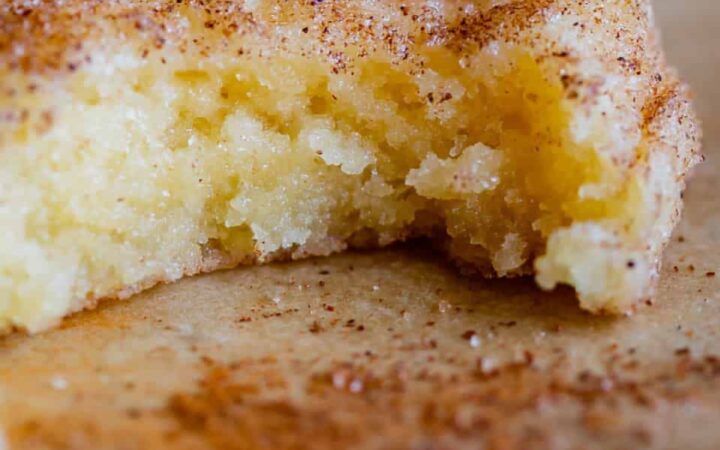

There's nothing quite like the smell of fresh sourdough baking in your kitchen. But sometimes you want to take that classic tangy loaf to the next level. That's where these flavor boosters come in.
Advertisements1
I've spent years perfecting my sourdough routine on my small apartment balcony, where I keep my starter next to my basil and mint. This recipe is the result of countless experiments, and I'm excited to share my five favorite ways to add flavor: sun-dried tomatoes and herbs, cheddar and jalapeño, cinnamon and raisins, roasted garlic and rosemary, and everything bagel seasoning.
Each variation is simple to make and uses the same basic sourdough dough. Pick one or try them all – your family will thank you.
Why You'll Love This Recipe
About the Ingredients
1 cup (240g) active sourdough starter
Use a bubbly, fed starter. If yours is less active, increase the rise time.
1 1/2 cups (355ml) warm water (about 90°F/32°C)
Warm water helps the dough rise. Too hot will kill the yeast, so aim for bath-warm.
4 cups (500g) bread flour, plus more for dusting
Bread flour gives the best structure. All-purpose works too, but the loaf will be less chewy.
1 1/2 teaspoons (9g) fine sea salt
Fine salt dissolves easily. If using kosher, increase to 2 teaspoons.
1/2 cup (80g) sun-dried tomatoes (oil-packed), drained and chopped
Oil-packed tomatoes add richness. If using dry, rehydrate in warm water first.
1/4 cup (10g) fresh basil, chopped
Fresh basil is best, but 1 tablespoon dried works. Add it with the other mix-ins.
1/2 cup (60g) shredded sharp cheddar cheese
Sharp cheddar stands up to the tangy sourdough. Try pepper jack for extra heat.
1 jalapeño, seeded and minced
Remove seeds for less heat. Wear gloves if you're sensitive.
1/2 cup (80g) raisins
Golden raisins are sweeter and plumper. Dark raisins work too.
1 teaspoon ground cinnamon
Use fresh cinnamon for the best aroma. Ceylon cinnamon is milder.
1 head garlic, roasted
Roast the garlic ahead: cut top, drizzle oil, wrap in foil, bake at 400°F/200°C for 40 min until soft.
1 tablespoon fresh rosemary, chopped
Fresh rosemary is fragrant. Dried works, but use half.
3 tablespoons everything bagel seasoning
Store-bought is fine, or make your own with sesame seeds, poppy seeds, garlic flakes, onion flakes, and salt.
Tips & Tricks
- Use a kitchen scale for accurate measurements – it makes a huge difference in sourdough.
- Don't skip the stretch and folds – they build strength for a tall, airy loaf.
- If your dough is too sticky to handle, wet your hands slightly instead of adding more flour.
Pro Tips
Step-by-Step Instructions
1. Mix the dough
In a large bowl, combine the starter and warm water. Stir until the starter is mostly dissolved. Add the bread flour and salt, and mix with a spatula until a shaggy dough forms. Cover and let rest for 30 minutes.
2. Add your flavor
Choose one flavor combination (e.g., sun-dried tomatoes and basil, or cheddar and jalapeño). Gently fold the mix-ins into the dough using wet hands, just until evenly distributed. The dough will be sticky – that's okay.
3. Bulk ferment
Cover the bowl with a damp cloth and let rise at room temperature (about 70°F/21°C) for 4-6 hours, until the dough has doubled in size. During the first 2 hours, do a set of stretch and folds every 30 minutes (4 sets total).
4. Shape the loaf
Turn the dough onto a lightly floured surface. Gently shape it into a round boule by pulling the edges into the center. Flip it seam-side down and cup your hands around it, rotating to create tension. Let it rest for 20 minutes.
5. Proof the dough
Place the dough seam-side up in a floured proofing basket or a bowl lined with a floured towel. Cover and refrigerate for 8-12 hours (cold proof) for the best flavor. If short on time, proof at room temperature for 1-2 hours until puffy.
6. Preheat the oven
Place a Dutch oven (with lid) in the oven and preheat to 450°F (230°C) for at least 30 minutes. This ensures a hot, steamy environment for a great rise.
7. Score and bake
Carefully transfer the dough to a piece of parchment paper. Score the top with a sharp knife or lame. Place the dough (with parchment) into the hot Dutch oven. Cover and bake for 20 minutes. Then remove the lid and bake for another 20-25 minutes, until the crust is deep golden brown and the internal temperature reaches 205°F (96°C).
8. Cool completely
Transfer the bread to a wire rack and let it cool for at least 1 hour before slicing. This allows the crumb to set – slicing too early will make it gummy.
Delicious Variations
Sun-Dried Tomato & Basil
Add the chopped tomatoes and basil to the dough for a Mediterranean twist.
Cheddar & Jalapeño
Fold in the cheese and jalapeño for a spicy, cheesy loaf that's perfect with chili.
Cinnamon Raisin
Mix in the raisins and cinnamon for a sweet breakfast toast. Add a sprinkle of sugar on top before baking for extra crunch.
How to Store Sourdough Bread Flavor Boosters
Refrigerator
Store in a paper bag at room temperature for up to 3 days. The crust stays crisp, and the inside stays moist.
Freezer
Wrap the cooled loaf tightly in plastic wrap and then foil. Freeze for up to 3 months. Thaw at room temperature for 2 hours.
Reheating
To refresh a stale loaf, sprinkle with water and warm in a 350°F (175°C) oven for 10 minutes.
Frequently Asked Questions
Q: Why is my sourdough bread dense and heavy?
A dense loaf usually means the dough wasn't fermented enough or the starter was weak. Ensure your starter is bubbly and doubles in size before using, and don't skip the bulk fermentation – it should take 4-6 hours at room temperature.
Q: Can I use all-purpose flour instead of bread flour?
Yes, you can substitute all-purpose flour, but the bread will be slightly less chewy and may not rise as tall. If using all-purpose, reduce the water by 2 tablespoons (30ml) to avoid a sticky dough.
Q: How do I know when my sourdough is fully baked?
The internal temperature should read 205°F (96°C) on an instant-read thermometer. The crust should be deep golden brown and sound hollow when tapped on the bottom.
Q: Can I add more mix-ins than the recipe calls for?
You can, but be careful not to overload the dough. Too many add-ins can prevent gluten development and make the bread fall apart. Stick to about 1/2 to 3/4 cup total per loaf.
I hope you enjoy these flavor-packed sourdough loaves as much as I do. Try one this weekend and let me know which variation is your favorite in the comments below! Happy growing!

Sourdough Bread Flavor Boosters
Elevate your sourdough with 5 easy flavor mix-ins for a tangy, aromatic loaf that's crusty outside and soft inside.
🧂 Ingredients
- 1 cup (240g) active sourdough starter
- 1 1/2 cups (355ml) warm water (about 90°F/32°C)
- 4 cups (500g) bread flour, plus more for dusting
- 1 1/2 teaspoons (9g) fine sea salt
- 1/2 cup (80g) sun-dried tomatoes (oil-packed), drained and chopped
- 1/4 cup (10g) fresh basil, chopped
- 1/2 cup (60g) shredded sharp cheddar cheese
- 1 jalapeño, seeded and minced
- 1/2 cup (80g) raisins
- 1 teaspoon ground cinnamon
- 1 head garlic, roasted
- 1 tablespoon fresh rosemary, chopped
- 3 tablespoons everything bagel seasoning
📋 Instructions
- 1Mix the dough — In a large bowl, combine the starter and warm water. Stir until the starter is mostly dissolved. Add the bread flour and salt, and mix with a spatula until a shaggy dough forms. Cover and let rest for 30 minutes.
- 2Add your flavor — Choose one flavor combination (e.g., sun-dried tomatoes and basil, or cheddar and jalapeño). Gently fold the mix-ins into the dough using wet hands, just until evenly distributed. The dough will be sticky – that's okay.
- 3Bulk ferment — Cover the bowl with a damp cloth and let rise at room temperature (about 70°F/21°C) for 4-6 hours, until the dough has doubled in size. During the first 2 hours, do a set of stretch and folds every 30 minutes (4 sets total).
- 4Shape the loaf — Turn the dough onto a lightly floured surface. Gently shape it into a round boule by pulling the edges into the center. Flip it seam-side down and cup your hands around it, rotating to create tension. Let it rest for 20 minutes.
- 5Proof the dough — Place the dough seam-side up in a floured proofing basket or a bowl lined with a floured towel. Cover and refrigerate for 8-12 hours (cold proof) for the best flavor. If short on time, proof at room temperature for 1-2 hours until puffy.
- 6Preheat the oven — Place a Dutch oven (with lid) in the oven and preheat to 450°F (230°C) for at least 30 minutes. This ensures a hot, steamy environment for a great rise.
- 7Score and bake — Carefully transfer the dough to a piece of parchment paper. Score the top with a sharp knife or lame. Place the dough (with parchment) into the hot Dutch oven. Cover and bake for 20 minutes. Then remove the lid and bake for another 20-25 minutes, until the crust is deep golden brown and the internal temperature reaches 205°F (96°C).
- 8Cool completely — Transfer the bread to a wire rack and let it cool for at least 1 hour before slicing. This allows the crumb to set – slicing too early will make it gummy.