
These are the cinnamon rolls my grandmother made every Sunday morning. The dough is enriched with butter and milk, creating a tender crumb that stays soft for days. The filling is a simple blend of brown sugar and cinnamon that melts into a gooey swirl as they bake.
Advertisements1
I've tested this recipe multiple times to ensure consistent results. The key is not overworking the dough and letting it rise in a warm spot. The cream cheese frosting is tangy and not overly sweet, balancing the rich cinnamon sugar.
If you've never made yeast dough before, don't worry. The process is straightforward, and I'll guide you through each step. You'll have warm, homemade rolls in about an hour.
Why You'll Love This Recipe
About the Ingredients
3/4 cup (180ml) whole milk, warmed to 110°F (43°C)
Whole milk adds richness. You can substitute 2% or plant-based milk, but the rolls will be slightly less tender.
2 1/4 teaspoons (7g) active dry yeast (one packet)
Active dry yeast needs proofing. Instant yeast can be used directly, but skip the proofing step.
1/4 cup (50g) granulated sugar
Feeds the yeast and adds sweetness. You can use brown sugar for a deeper flavor.
1 large egg, room temperature
Room temperature egg incorporates better into the dough. If cold, place in warm water for 5 minutes.
1/4 cup (57g) unsalted butter, melted and cooled
Adds richness and tenderness. Use salted butter but reduce added salt to 1/4 teaspoon.
1/2 teaspoon salt
Enhances flavor. If using salted butter, reduce to 1/4 teaspoon.
3 cups (375g) all-purpose flour, plus more for dusting
All-purpose gives the right structure. Bread flour works but yields chewier rolls.
For filling: 1/2 cup (100g) packed brown sugar
Brown sugar keeps the filling moist. Dark brown sugar gives a deeper molasses flavor.
2 tablespoons (16g) ground cinnamon
Cinnamon is the star. Use Ceylon cinnamon for a milder, sweeter spice.
1/4 cup (57g) unsalted butter, softened
Spreads easily over dough. Use salted butter but skip additional salt.
For frosting: 4 oz (113g) cream cheese, softened
Full-fat cream cheese gives the best texture. Neufchâtel (low-fat) works but is less tangy.
1 cup (120g) powdered sugar
Sweetens and thickens frosting. Sift to avoid lumps.
2 tablespoons (30ml) milk
Thins frosting to drizzling consistency. Heavy cream or buttermilk also work.
1/2 teaspoon vanilla extract
Enhances flavor. Use pure vanilla, not imitation.
Tips & Tricks
- Ensure milk is between 105-115°F (40-46°C) to proof yeast. Too hot kills it, too cool slows it.
- Use a kitchen scale for flour to avoid dense rolls – spoon and level if using cups.
- Roll the dough into a tight log to prevent gaps in the swirl.
- If the dough springs back when rolling, let it rest 5 minutes.
Pro Tips
Step-by-Step Instructions
1. Proof the Yeast
In a small bowl, combine warm milk, yeast, and 1 tablespoon of the sugar. Let sit for 5-10 minutes until foamy. If it doesn't foam, your yeast is dead – start over.
2. Mix the Dough
In a large bowl or stand mixer, whisk together flour, remaining sugar, and salt. Add the yeast mixture, egg, and melted butter. Mix on low speed until a shaggy dough forms.
3. Knead the Dough
Turn dough onto a floured surface and knead for 8-10 minutes, until smooth and elastic. Or use the dough hook on medium speed for 5-7 minutes. The dough should pass the windowpane test: stretch a small piece thin without tearing.
4. First Rise
Place dough in a greased bowl, cover with plastic wrap or a damp towel, and let rise in a warm spot (about 80°F/27°C) for 1 hour, or until doubled in size. If your kitchen is cool, use an oven with the light on.
5. Prepare the Filling
In a small bowl, mix brown sugar and cinnamon. Set aside. Soften the butter to room temperature for easy spreading.
6. Roll and Fill
Punch down the dough and roll it out on a floured surface into a 12×9-inch rectangle (about 1/4-inch thick). Spread the softened butter evenly over the surface, leaving a 1/2-inch border on one long edge. Sprinkle the sugar-cinnamon mixture over the butter.
7. Shape and Cut
Starting from the long edge with filling, roll the dough tightly into a log. Pinch the seam to seal. Using a sharp knife or dental floss, cut the log into 6 equal rolls. Place them cut-side up in a greased 9×13-inch baking dish or a 10-inch cast-iron skillet.
8. Second Rise
Cover the dish with a towel and let rise again in a warm spot for 30-45 minutes, until puffy and nearly doubled. They should fill the pan.
9. Bake the Rolls
Preheat oven to 350°F (175°C). Bake for 25-30 minutes, until golden brown on top and the internal temperature reaches 190°F (88°C) in the center. If the tops brown too fast, tent with foil after 15 minutes.
10. Make the Frosting
While rolls bake, beat cream cheese and butter (if using) until smooth. Add powdered sugar, milk, and vanilla. Beat until fluffy.
11. Frost and Serve
Let rolls cool for 5-10 minutes, then spread frosting over the top while still warm. Serve immediately.
Delicious Variations
- Add 1/2 cup chopped pecans or walnuts to the filling for crunch.
- Swap brown sugar for coconut sugar and use dairy-free butter/milk for a vegan option.
- Add 1 teaspoon orange zest to the dough and a splash of orange juice in the frosting for a citrus twist.
How to Store Grandma's Cinnamon Rolls
Refrigerator
Store in an airtight container for up to 3 days. Frosted rolls can be refrigerated, but bring to room temperature before serving.
Freezer
Freeze unfrosted baked rolls in a sealed bag for up to 2 months. Thaw overnight in the fridge.
Reheating
Reheat individual rolls in the microwave for 15-20 seconds, or in a 300°F (150°C) oven for 5-7 minutes.
Frequently Asked Questions
Q: Can I make these cinnamon rolls ahead of time?
Yes, you can prepare the rolls through step 7 (after shaping) and refrigerate overnight. In the morning, let them rise at room temperature for 1 hour before baking.
Q: How do I know when the rolls are done?
They are done when the tops are golden brown and the internal temperature reads 190°F (88°C) in the center. If you don't have a thermometer, insert a toothpick into the center – it should come out clean.
Q: Can I use instant yeast instead of active dry?
Yes, you can substitute instant yeast 1:1. Mix it directly with the flour, and skip the proofing step. You may need to reduce the rise time slightly.
Q: Why are my cinnamon rolls dry?
Dry rolls usually result from overbaking or too much flour. Check your oven temperature with an oven thermometer, and measure flour by spooning and leveling. Also, avoid over-kneading.
Q: Can I freeze the unbaked rolls?
Yes, after shaping, place rolls in a greased pan, cover tightly, and freeze. When ready to bake, thaw overnight in the fridge, then let rise for 1-2 hours before baking.
Try this recipe and let me know how it turns out in the comments below. If you love it, share it with a friend who needs a warm breakfast. Keep your money moving.
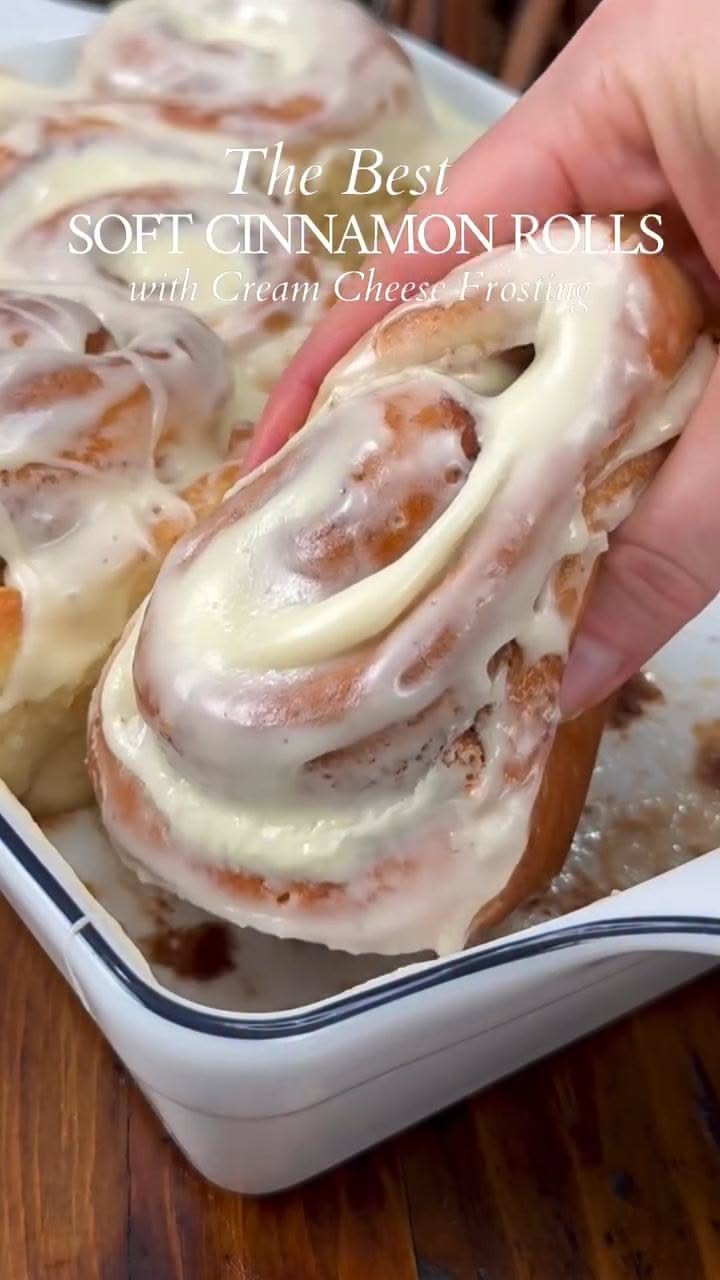
Grandma's Cinnamon Rolls
Grandma's Cinnamon Rolls: soft, gooey, and topped with cream cheese frosting. This classic recipe yields 6 perfect rolls in under an hour.
🧂 Ingredients
- 3/4 cup (180ml) whole milk, warmed to 110°F (43°C)
- 2 1/4 teaspoons (7g) active dry yeast (one packet)
- 1/4 cup (50g) granulated sugar
- 1 large egg, room temperature
- 1/4 cup (57g) unsalted butter, melted and cooled
- 1/2 teaspoon salt
- 3 cups (375g) all-purpose flour, plus more for dusting
- For filling: 1/2 cup (100g) packed brown sugar
- 2 tablespoons (16g) ground cinnamon
- 1/4 cup (57g) unsalted butter, softened
- For frosting: 4 oz (113g) cream cheese, softened
- 1 cup (120g) powdered sugar
- 2 tablespoons (30ml) milk
- 1/2 teaspoon vanilla extract
📋 Instructions
- 1Proof the Yeast — In a small bowl, combine warm milk, yeast, and 1 tablespoon of the sugar. Let sit for 5-10 minutes until foamy. If it doesn't foam, your yeast is dead – start over.
- 2Mix the Dough — In a large bowl or stand mixer, whisk together flour, remaining sugar, and salt. Add the yeast mixture, egg, and melted butter. Mix on low speed until a shaggy dough forms.
- 3Knead the Dough — Turn dough onto a floured surface and knead for 8-10 minutes, until smooth and elastic. Or use the dough hook on medium speed for 5-7 minutes. The dough should pass the windowpane test: stretch a small piece thin without tearing.
- 4First Rise — Place dough in a greased bowl, cover with plastic wrap or a damp towel, and let rise in a warm spot (about 80°F/27°C) for 1 hour, or until doubled in size. If your kitchen is cool, use an oven with the light on.
- 5Prepare the Filling — In a small bowl, mix brown sugar and cinnamon. Set aside. Soften the butter to room temperature for easy spreading.
- 6Roll and Fill — Punch down the dough and roll it out on a floured surface into a 12×9-inch rectangle (about 1/4-inch thick). Spread the softened butter evenly over the surface, leaving a 1/2-inch border on one long edge. Sprinkle the sugar-cinnamon mixture over the butter.
- 7Shape and Cut — Starting from the long edge with filling, roll the dough tightly into a log. Pinch the seam to seal. Using a sharp knife or dental floss, cut the log into 6 equal rolls. Place them cut-side up in a greased 9×13-inch baking dish or a 10-inch cast-iron skillet.
- 8Second Rise — Cover the dish with a towel and let rise again in a warm spot for 30-45 minutes, until puffy and nearly doubled. They should fill the pan.
- 9Bake the Rolls — Preheat oven to 350°F (175°C). Bake for 25-30 minutes, until golden brown on top and the internal temperature reaches 190°F (88°C) in the center. If the tops brown too fast, tent with foil after 15 minutes.
- 10Make the Frosting — While rolls bake, beat cream cheese and butter (if using) until smooth. Add powdered sugar, milk, and vanilla. Beat until fluffy.
- 11Frost and Serve — Let rolls cool for 5-10 minutes, then spread frosting over the top while still warm. Serve immediately.

Lucas covers personal finance and side hustles, with an emphasis on building income streams without hype. He breaks down money concepts into straightforward, no-nonsense advice.