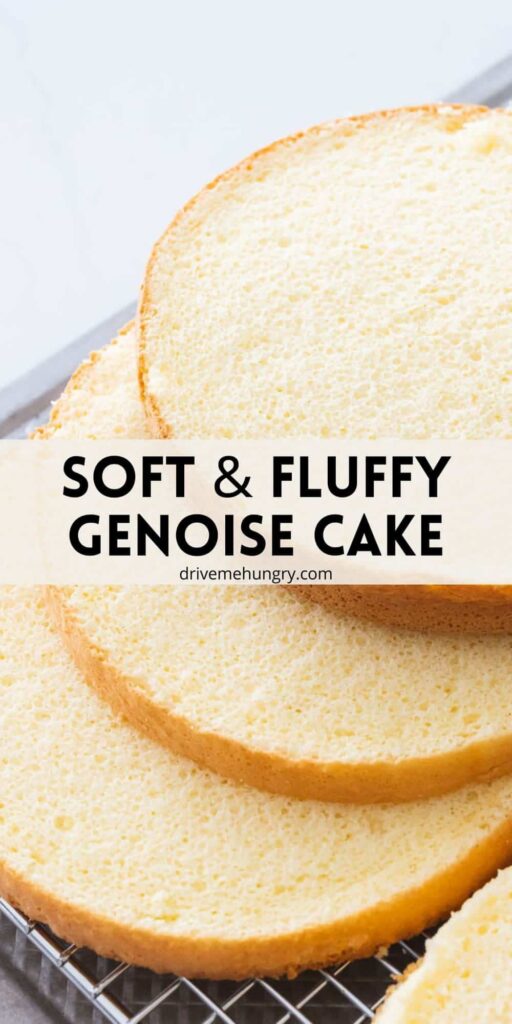
The Genoise sponge is the backbone of many classic European desserts—think tiramisu, strawberry shortcake, and jelly rolls. It achieves its signature lift without any chemical leavener, relying instead on whipped eggs and careful folding. This recipe delivers a tender, resilient crumb that holds up to syrups and frostings without turning soggy.
Advertisements1
I've tested this version to eliminate the common pitfalls: deflated batter, dry crumb, and tough texture. By controlling temperature and folding technique, you'll get a consistently high-rising sponge every time. Whether you're a home baker or a pastry enthusiast, these steps are precise and repeatable.
Use this sponge as a base for layered cakes, roll it into a roulade, or slice it into fingers for trifle. It's a versatile workhorse that rewards attention to detail.
Why You'll Love This Recipe
About the Ingredients
6 large eggs (300g), at room temperature
Room-temperature eggs whip to a greater volume. If cold, place them in a bowl of warm water for 5 minutes.
1 cup (200g) granulated sugar
Fine sugar dissolves faster and stabilizes the foam. You can use caster sugar for even better results.
1 cup (120g) cake flour, sifted
Cake flour has lower protein for a tender crumb. Substitute with all-purpose flour minus 2 tablespoons per cup, but texture will be slightly denser.
1/4 cup (60g) unsalted butter, melted and cooled
Melted butter adds richness and moisture. Use clarified butter for a more neutral flavor, or substitute with neutral oil like canola.
1 teaspoon vanilla extract
Pure vanilla enhances the egg flavor. You can use vanilla bean paste or the seeds of half a vanilla bean.
1/4 teaspoon salt
Salt balances sweetness and strengthens the egg foam. Use fine sea salt or table salt.
Tips & Tricks
Ensure eggs are at room temperature
Cold eggs don't whip to full volume. Warm them in a bowl of warm water for 5-10 minutes.
Fold gently but thoroughly
Over-folding deflates the batter; under-folding leaves streaks of flour. Use a large spatula and cut-and-fold motion until no streaks remain.
Don't open the oven during baking
The sudden temperature change can cause the cake to collapse. Wait until the minimum baking time before checking.
Pro Tips
Step-by-Step Instructions
1. Preheat and Prepare Pan
Preheat oven to 350°F (175°C). Grease a 9-inch (23cm) round cake pan and line the bottom with parchment paper. This ensures the cake releases cleanly.
2. Whip Eggs and Sugar
In a large heatproof bowl, combine eggs and sugar. Place over a pot of simmering water (not touching) and whisk constantly until the mixture reaches 110°F (43°C) and sugar dissolves. This warm base whips to a thicker, more stable foam.
3. Beat to Ribbon Stage
Remove from heat and beat with an electric mixer on medium-high speed for 5-7 minutes, until pale, tripled in volume, and forms a thick ribbon that holds its shape for a few seconds. This is the ribbon stage, crucial for structure.
4. Fold in Dry Ingredients
Sprinkle the sifted flour and salt over the egg foam. Using a large rubber spatula, fold gently in a circular motion from the bottom up, rotating the bowl. Fold until just combined, about 15-20 strokes. Be careful not to deflate the batter.
5. Incorporate Melted Butter
Take a small amount of batter (about 1 cup) and stir it into the cooled melted butter and vanilla. This tempers the butter. Then pour this mixture back into the main batter and fold gently until just incorporated. This prevents the butter from sinking to the bottom.
6. Pour and Bake
Pour the batter into the prepared pan and smooth the top. Bake for 25-30 minutes, until golden brown and the top springs back when lightly pressed, and a toothpick inserted in the center comes out clean. The internal temperature should reach 200°F (93°C).
7. Cool and Unmold
Remove from oven and let cool in the pan on a wire rack for 10 minutes. Run a knife around the edges, then invert onto a rack to cool completely. Peel off the parchment paper. This prevents the cake from becoming soggy from trapped steam.
Delicious Variations
Chocolate Genoise
Replace 1/4 cup (30g) of flour with unsweetened cocoa powder, sifted together.
Citrus Genoise
Add 1 tablespoon of lemon or orange zest to the egg-sugar mixture before whipping.
Coffee Genoise
Dissolve 1 tablespoon of instant espresso powder in the melted butter before adding.
How to Store Fluffy Genoise Sponge
Refrigerator
Wrap the cooled cake tightly in plastic wrap and store in the refrigerator for up to 3 days. It can also be frozen for up to 2 months.
Freezer
Wrap the cake in plastic wrap and then foil. Freeze for up to 2 months. Thaw in the refrigerator overnight before using.
Reheating
This cake is best served at room temperature. If refrigerated, let it sit at room temperature for 30 minutes before serving.
Frequently Asked Questions
Q: Why did my genoise sponge deflate?
The most common cause is under-whipping the eggs. You need to beat until the mixture reaches the ribbon stage—thick and pale, with a ribbon that holds its shape for a few seconds. Also, fold gently to avoid deflating the air bubbles.
Q: Can I use all-purpose flour instead of cake flour?
Yes, but the texture will be slightly denser. To approximate cake flour, replace 2 tablespoons of all-purpose flour with cornstarch per cup. Sift together before using.
Q: How do I prevent the butter from sinking to the bottom?
Always temper the butter: mix a small portion of the batter into the melted butter first, then fold it back into the main batter. This equalizes the consistency and prevents sinking.
Q: Can I make this sponge without a stand mixer?
Yes, you can use a hand mixer, but it will take longer (about 8-10 minutes) to reach the ribbon stage. You can also whisk by hand, but that requires significant effort and arm strength.
Q: What is the best way to slice a genoise sponge for a layer cake?
Use a long serrated knife and cut with a gentle sawing motion. For even layers, mark the sides with toothpicks or use a cake leveler. Chilling the cake for 30 minutes beforehand makes slicing easier.
Now that you've mastered the classic Genoise, try it as the base for a strawberry shortcake or a chocolate roulade. Share your results in the comments below! Keep your money moving.
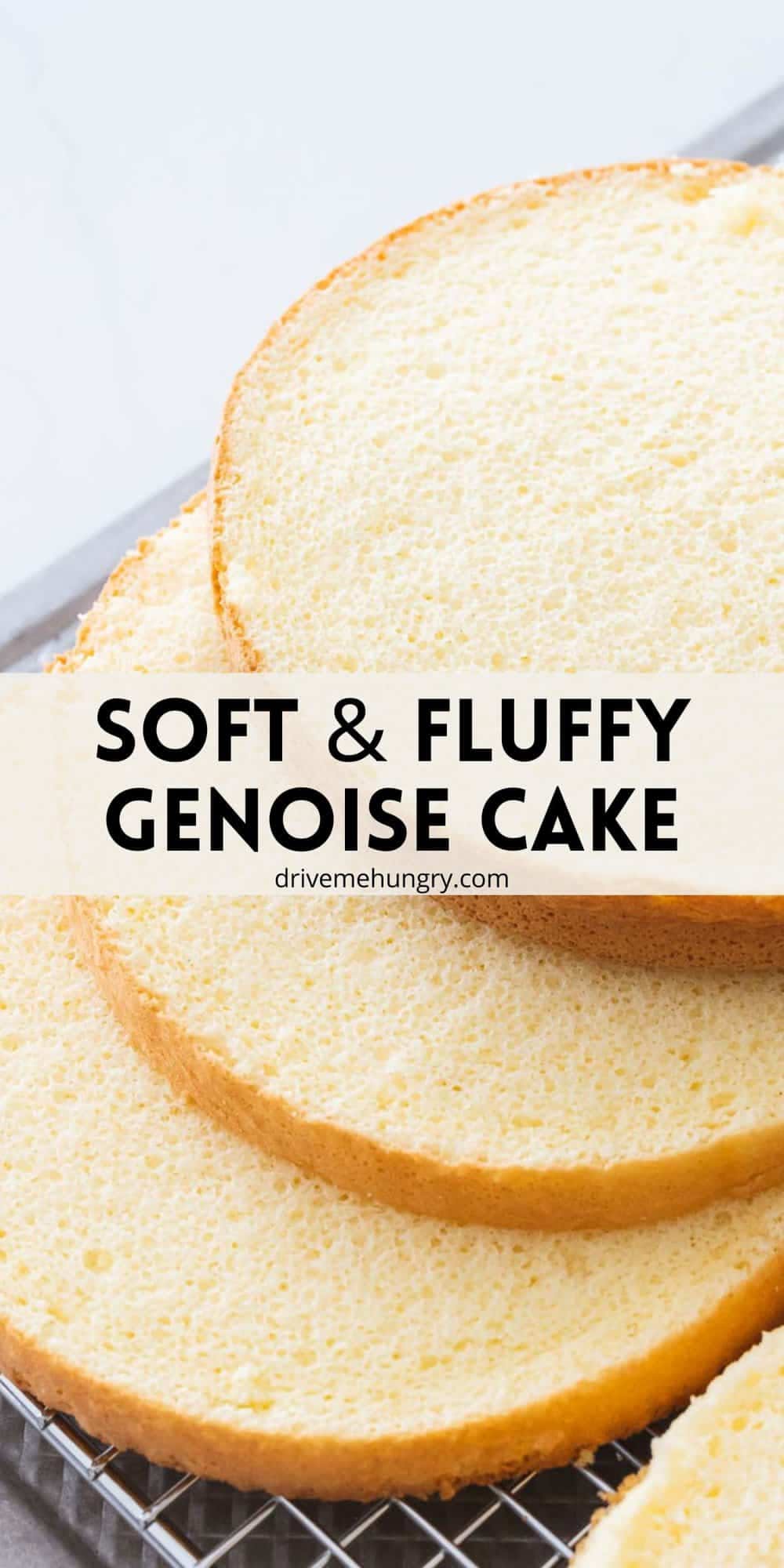
Fluffy Genoise Sponge
Fluffy Genoise Sponge – a light, airy classic that's perfect for layered cakes, ready in 30 minutes.
🧂 Ingredients
- 6 large eggs (300g), at room temperature
- 1 cup (200g) granulated sugar
- 1 cup (120g) cake flour, sifted
- 1/4 cup (60g) unsalted butter, melted and cooled
- 1 teaspoon vanilla extract
- 1/4 teaspoon salt
📋 Instructions
- 1Preheat and Prepare Pan — Preheat oven to 350°F (175°C). Grease a 9-inch (23cm) round cake pan and line the bottom with parchment paper. This ensures the cake releases cleanly.
- 2Whip Eggs and Sugar — In a large heatproof bowl, combine eggs and sugar. Place over a pot of simmering water (not touching) and whisk constantly until the mixture reaches 110°F (43°C) and sugar dissolves. This warm base whips to a thicker, more stable foam.
- 3Beat to Ribbon Stage — Remove from heat and beat with an electric mixer on medium-high speed for 5-7 minutes, until pale, tripled in volume, and forms a thick ribbon that holds its shape for a few seconds. This is the ribbon stage, crucial for structure.
- 4Fold in Dry Ingredients — Sprinkle the sifted flour and salt over the egg foam. Using a large rubber spatula, fold gently in a circular motion from the bottom up, rotating the bowl. Fold until just combined, about 15-20 strokes. Be careful not to deflate the batter.
- 5Incorporate Melted Butter — Take a small amount of batter (about 1 cup) and stir it into the cooled melted butter and vanilla. This tempers the butter. Then pour this mixture back into the main batter and fold gently until just incorporated. This prevents the butter from sinking to the bottom.
- 6Pour and Bake — Pour the batter into the prepared pan and smooth the top. Bake for 25-30 minutes, until golden brown and the top springs back when lightly pressed, and a toothpick inserted in the center comes out clean. The internal temperature should reach 200°F (93°C).
- 7Cool and Unmold — Remove from oven and let cool in the pan on a wire rack for 10 minutes. Run a knife around the edges, then invert onto a rack to cool completely. Peel off the parchment paper. This prevents the cake from becoming soggy from trapped steam.

Lucas covers personal finance and side hustles, with an emphasis on building income streams without hype. He breaks down money concepts into straightforward, no-nonsense advice.