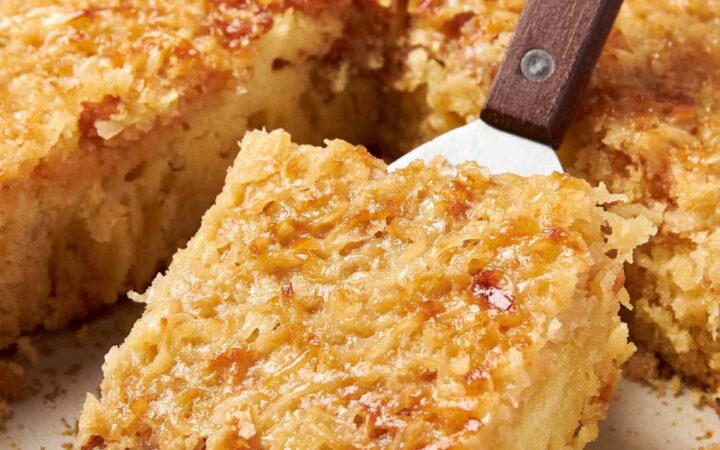

Spring is here, and with it comes the craving for something light and fresh. That's where my spring foam pan recipes come in – they're airy, delicate, and perfect for celebrating the season.
Advertisements1
I remember the first time I tried a foam cake on my balcony, with the morning sun warming the pan. The result was so soft and cloud-like, I knew I had to share it with you. This recipe is forgiving, even for beginners, and it uses simple ingredients you probably already have.
Why You'll Love This Recipe
About the Ingredients
6 large eggs, separated
Make sure they are at room temperature for maximum volume. If you're out of eggs, you can use aquafaba (chickpea brine) as a vegan substitute, but the texture will be slightly different.
3/4 cup (150g) granulated sugar, divided
Use fine sugar for easier dissolving. You can substitute with coconut sugar, but the color will be darker.
1 cup (120g) cake flour, sifted
Cake flour gives a tender crumb; if you don't have it, mix all-purpose flour with cornstarch (3/4 cup all-purpose + 2 tbsp cornstarch).
1 tablespoon lemon zest (from 1 lemon)
Use organic lemons if possible. You can substitute with orange zest for a sweeter flavor.
2 tablespoons fresh lemon juice
Fresh juice is best; bottled works in a pinch. You can use orange juice for a milder taste.
1/2 teaspoon vanilla extract
Pure vanilla adds depth. You can use almond extract, but use half the amount.
1/4 teaspoon salt
Salt balances sweetness and stabilizes the egg whites. Use fine sea salt.
1/2 teaspoon cream of tartar
This stabilizes the meringue. If you don't have it, use 1 teaspoon of lemon juice or vinegar.
Tips & Tricks
Separate eggs carefully
Even a tiny bit of yolk in the whites will prevent them from whipping up properly. Use three bowls – one for whites, one for yolks, and a third to crack each egg into first.
Fold gently
Use a large rubber spatula and a cutting motion, then turn the bowl as you fold. Overmixing deflates the batter and makes the cake dense.
Cool inverted
To prevent sinking, cool the cake upside down in the pan. This stretches the cake and keeps it airy.
Pro Tips
Step-by-Step Instructions
1. Preheat and Prepare Pan
Preheat your oven to 325°F (165°C). Do not grease the tube pan; instead, line the bottom with parchment paper. An ungreased pan allows the batter to cling to the sides as it rises.
2. Whip Egg Whites
In a large bowl, beat the egg whites with salt and cream of tartar until frothy. Gradually add 1/2 cup (100g) of the sugar, beating until stiff, glossy peaks form. This should take about 5-7 minutes. The peaks should stand straight up when you lift the whisk.
3. Mix Yolks and Flavorings
In another bowl, whisk the egg yolks with the remaining 1/4 cup (50g) sugar until pale and thick, about 2 minutes. Stir in the lemon zest, lemon juice, and vanilla extract.
4. Fold in Flour
Gently fold the sifted flour into the yolk mixture until just combined. It will be thick; that's okay.
5. Combine Mixtures
Add one-third of the whipped egg whites to the yolk mixture and fold gently to lighten. Then, pour this mixture into the remaining whites and fold carefully until no streaks of white remain. Do not overmix.
6. Bake the Cake
Pour the batter into the prepared pan and smooth the top. Bake for 35-40 minutes, until the top is golden brown and springs back when lightly touched, or a skewer inserted in the center comes out clean. The internal temperature should read 200°F (93°C).
7. Cool Inverted
Immediately invert the pan onto a wire rack and let it cool completely upside down. This prevents the cake from collapsing. Once cool, run a knife around the edges to release, then remove from the pan.
Delicious Variations
Orange Blossom
Swap lemon zest and juice with orange, and add 1 tablespoon of orange blossom water for a floral twist.
Berry Ripple
Gently swirl 1/2 cup of raspberry or strawberry puree into the batter before baking.
Coconut Lime
Replace lemon with lime and add 1/2 cup of toasted shredded coconut to the batter.
How to Store Spring Foam Pan Recipes
Refrigerator
Store in an airtight container in the fridge for up to 3 days. Wrap well to prevent drying.
Freezer
Wrap the cooled cake tightly in plastic wrap and then foil. Freeze for up to 2 months.
Reheating
Thaw overnight in the fridge and bring to room temperature before serving. You can also toast slices lightly in a toaster oven.
Frequently Asked Questions
Q: Why did my foam cake collapse?
The most common reason is under-whipping the egg whites or overmixing the batter. Ensure your whites are at stiff peaks and fold gently just until combined. Also, cool the cake upside down to help it retain its height.
Q: Can I use all-purpose flour instead of cake flour?
Yes, you can. For each cup of all-purpose flour, remove 2 tablespoons and replace with 2 tablespoons of cornstarch. Sift together to get a similar texture.
Q: How do I know when the cake is done?
The cake is done when the top is golden brown and springs back when lightly pressed, and a toothpick inserted comes out clean. An internal thermometer should read 200°F (93°C).
Q: Can I make this cake without a tube pan?
You can use a 9-inch round pan, but the baking time may change. The tube pan helps the cake rise evenly. If using a regular pan, do not fill more than 3/4 full and adjust time.
I hope you enjoy this taste of spring. Give it a try and let me know how it turns out in the comments below. Happy baking!
Spring Foam Pan Recipes
Discover light, airy spring foam pan recipes perfect for seasonal brunch. Simple steps for a fluffy, tender cake every time.
🧂 Ingredients
- 6 large eggs, separated
- 3/4 cup (150g) granulated sugar, divided
- 1 cup (120g) cake flour, sifted
- 1 tablespoon lemon zest (from 1 lemon)
- 2 tablespoons fresh lemon juice
- 1/2 teaspoon vanilla extract
- 1/4 teaspoon salt
- 1/2 teaspoon cream of tartar
📋 Instructions
- 1Preheat and Prepare Pan — Preheat your oven to 325°F (165°C). Do not grease the tube pan; instead, line the bottom with parchment paper. An ungreased pan allows the batter to cling to the sides as it rises.
- 2Whip Egg Whites — In a large bowl, beat the egg whites with salt and cream of tartar until frothy. Gradually add 1/2 cup (100g) of the sugar, beating until stiff, glossy peaks form. This should take about 5-7 minutes. The peaks should stand straight up when you lift the whisk.
- 3Mix Yolks and Flavorings — In another bowl, whisk the egg yolks with the remaining 1/4 cup (50g) sugar until pale and thick, about 2 minutes. Stir in the lemon zest, lemon juice, and vanilla extract.
- 4Fold in Flour — Gently fold the sifted flour into the yolk mixture until just combined. It will be thick; that's okay.
- 5Combine Mixtures — Add one-third of the whipped egg whites to the yolk mixture and fold gently to lighten. Then, pour this mixture into the remaining whites and fold carefully until no streaks of white remain. Do not overmix.
- 6Bake the Cake — Pour the batter into the prepared pan and smooth the top. Bake for 35-40 minutes, until the top is golden brown and springs back when lightly touched, or a skewer inserted in the center comes out clean. The internal temperature should read 200°F (93°C).
- 7Cool Inverted — Immediately invert the pan onto a wire rack and let it cool completely upside down. This prevents the cake from collapsing. Once cool, run a knife around the edges to release, then remove from the pan.

Maya writes about urban gardening and sustainable living, focusing on small-space solutions and budget-friendly projects. She shares practical tips for growing food in apartments and balconies.