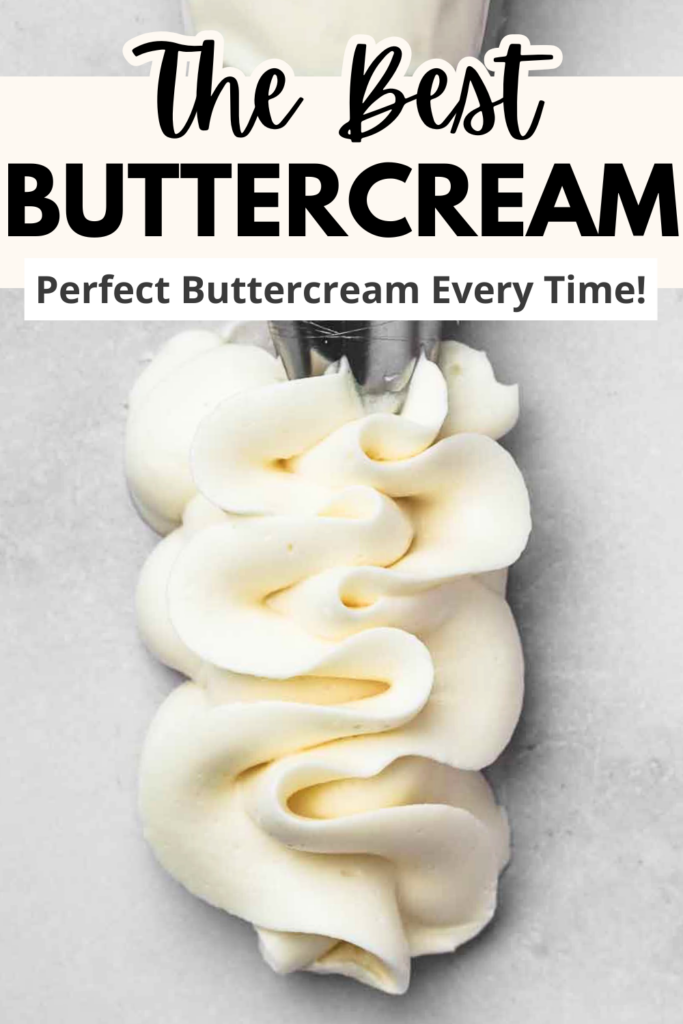
I've been in the kitchen since I could reach the counter, and I've slathered more frosting than I care to admit. There's a reason I keep coming back to shortening-based frostings: they're forgiving, they don't weep, and they hold their shape like a champ. This isn't your grandma's buttercream—though she'd probably love it too.
Advertisements1
The secret is in the technique. You're not just dumping ingredients in a bowl; you're building air and structure. And with a few pro moves, you'll get a frosting that's smooth, spreadable, and ready for anything from a rustic sheet cake to a fancy piped rose.
So grab your mixer, and let's get down to business. This recipe is simple, but it's got a few tricks that make all the difference.
Why You'll Love This Recipe
About the Ingredients
1 cup (200g) vegetable shortening, room temperature
Use a high-quality shortening like Crisco. For a butter flavor, use butter-flavored shortening—it gives a richer taste without the melting issues.
4 cups (480g) powdered sugar, sifted
Sifting prevents lumps. If you're in a pinch, you can skip sifting, but your frosting will be fluffier if you take the time.
1/4 cup (60ml) whole milk, plus more as needed
Whole milk gives the best richness. You can substitute with heavy cream for an even silkier texture, or almond milk for a dairy-free version.
1 teaspoon vanilla extract
Pure vanilla extract is best. For a stronger flavor, use vanilla bean paste or the seeds from a vanilla bean.
1/4 teaspoon salt
Salt balances the sweetness. Use fine sea salt or table salt.
Tips & Tricks
Add milk slowly
you might not need all of it. The consistency should be spreadable but not thin.
- Make sure the shortening is at room temperature but not melted—if it's too warm, the frosting will be runny.
- If your frosting is too thick, beat in a little more milk. If it's too thin, add more powdered sugar, a tablespoon at a time.
- For extra stability, chill the frosting for 10 minutes before piping.
Pro Tips
Step-by-Step Instructions
1. Cream the Shortening
In a large bowl, beat the shortening with an electric mixer on medium speed until it's light and fluffy, about 2 minutes. This step is crucial for a smooth texture.
2. Add Sugar Gradually
With the mixer on low, add the powdered sugar one cup at a time, scraping down the sides after each addition. This prevents a cloud of sugar dust and ensures it's fully incorporated.
3. Mix in Milk and Vanilla
Add the milk, vanilla extract, and salt. Beat on medium-high speed for 2-3 minutes until the frosting is light, fluffy, and holds its shape.
4. Adjust Consistency
If the frosting is too thick, add milk one teaspoon at a time. If it's too thin, add more powdered sugar a tablespoon at a time, beating well after each addition.
5. Whip Until Airy
Beat on high speed for one final minute to incorporate air, making the frosting extra fluffy. It should be smooth and spreadable.
6. Use or Store
Use immediately, or store in an airtight container in the refrigerator for up to a week. Bring to room temperature and re-whip before using.
Delicious Variations
Chocolate
Add 1/4 cup (30g) unsweetened cocoa powder with the powdered sugar.
Lemon
Replace vanilla with 1 tablespoon lemon zest and 1 teaspoon lemon juice.
Peppermint
Add 1/2 teaspoon peppermint extract and a drop of red food coloring for a festive look.
How to Store Frosting Recipes With Shortening
Refrigerator
Store in an airtight container for up to 1 week. Bring to room temperature and re-whip before using.
Freezer
Freeze in an airtight container for up to 3 months. Thaw overnight in the refrigerator, then re-whip.
Reheating
No reheating needed; just let it come to room temperature.
Frequently Asked Questions
Q: Does shortening frosting taste like shortening?
No, if you use butter-flavored shortening and vanilla, it tastes like a classic vanilla buttercream. The flavor is neutral and sweet.
Q: Why is my shortening frosting grainy?
Graininess comes from undissolved sugar. Always sift the powdered sugar and beat the frosting for at least 2 minutes after adding all ingredients.
Q: Can I use margarine instead of shortening?
Yes, but margarine has a higher water content, so the frosting may be softer and less stable. Use a stick margarine with at least 60% fat.
Q: How do I make the frosting stiffer for piping?
Reduce the milk to 2 tablespoons and add 1/2 cup more powdered sugar. Beat until stiff peaks form.
Ready to frost something amazing? Try this recipe on your next cake, and don't forget to share your results in the comments below. If you loved it, give it a 5-star rating and let me know what you'd add next. Keep exploring.
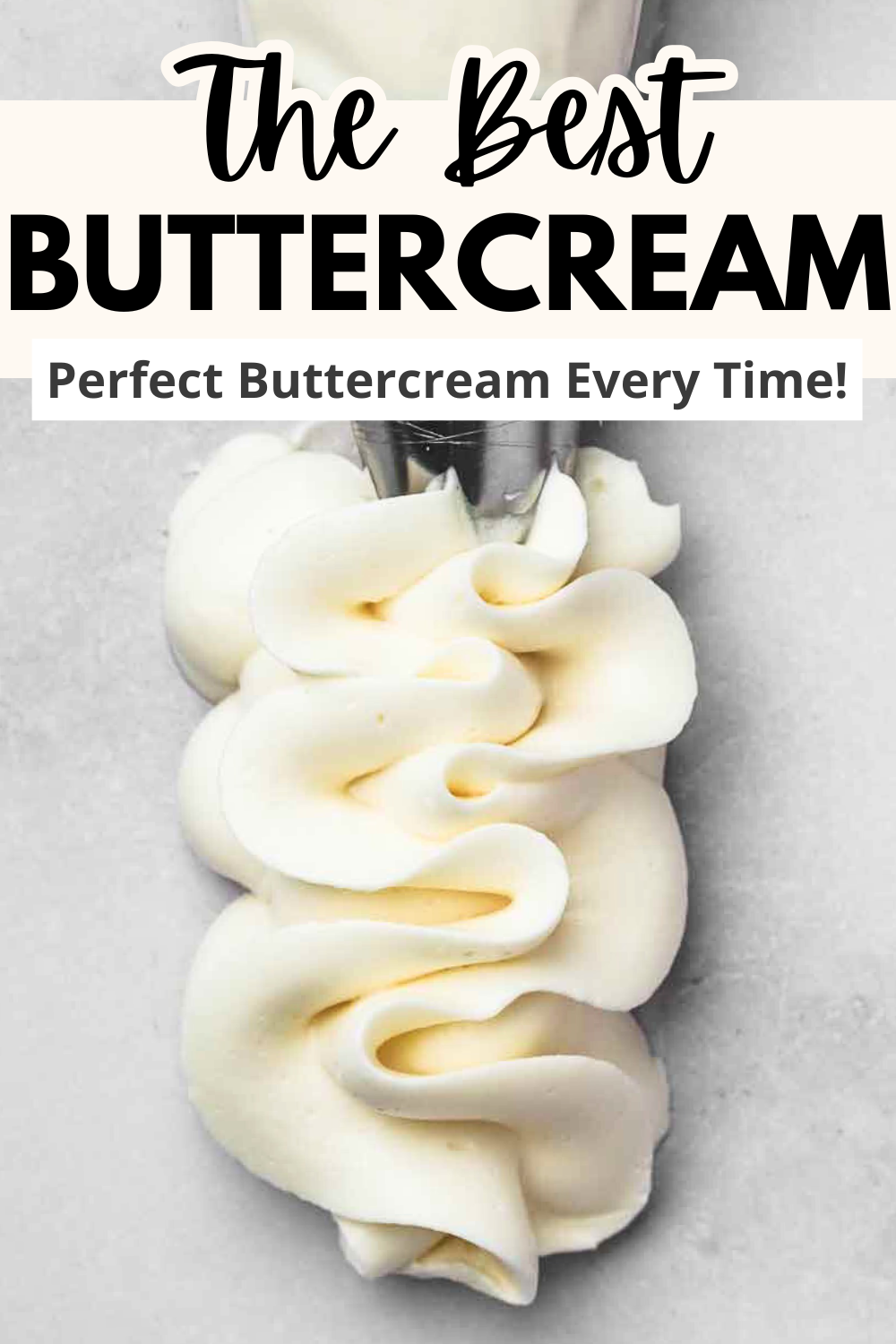
Frosting Recipes With Shortening
Learn to make silky, stable shortening frosting that holds its shape for piping, cakes, and cookies.
🧂 Ingredients
- 1 cup (200g) vegetable shortening, room temperature
- 4 cups (480g) powdered sugar, sifted
- 1/4 cup (60ml) whole milk, plus more as needed
- 1 teaspoon vanilla extract
- 1/4 teaspoon salt
📋 Instructions
- 1Cream the Shortening — In a large bowl, beat the shortening with an electric mixer on medium speed until it's light and fluffy, about 2 minutes. This step is crucial for a smooth texture.
- 2Add Sugar Gradually — With the mixer on low, add the powdered sugar one cup at a time, scraping down the sides after each addition. This prevents a cloud of sugar dust and ensures it's fully incorporated.
- 3Mix in Milk and Vanilla — Add the milk, vanilla extract, and salt. Beat on medium-high speed for 2-3 minutes until the frosting is light, fluffy, and holds its shape.
- 4Adjust Consistency — If the frosting is too thick, add milk one teaspoon at a time. If it's too thin, add more powdered sugar a tablespoon at a time, beating well after each addition.
- 5Whip Until Airy — Beat on high speed for one final minute to incorporate air, making the frosting extra fluffy. It should be smooth and spreadable.
- 6Use or Store — Use immediately, or store in an airtight container in the refrigerator for up to a week. Bring to room temperature and re-whip before using.

Liam covers outdoor adventure and gear reviews, with a focus on ultralight backpacking and wilderness survival. He writes from personal trial and error, emphasizing safety and practical experience.