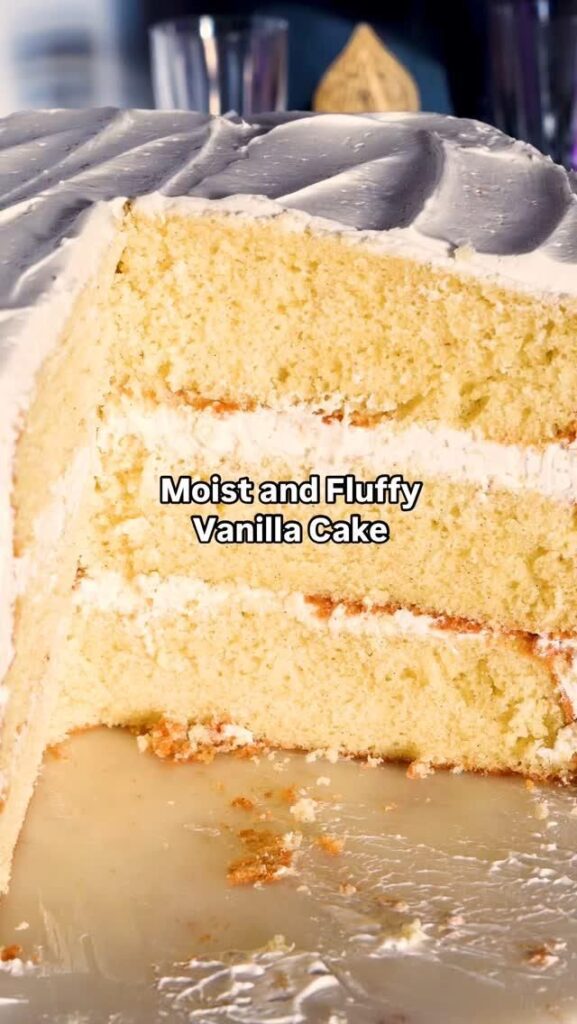
Welcome, fellow baker! There’s something deeply satisfying about creating a cake entirely from scratch—no box mixes, no shortcuts, just pure, honest ingredients transformed by your own hands. This recipe is my go-to for birthdays, anniversaries, or simply a Tuesday afternoon treat. It yields a beautifully moist, tender crumb with a rich vanilla flavor that will make you wonder why you ever relied on a mix.
Advertisements1
In this guide, I’ll walk you through every step, from gathering your tools to pulling a golden, perfectly risen cake from the oven. I’ve included my favorite tips for avoiding common pitfalls, plus a few variations to keep things exciting. Whether you’re a beginner or a seasoned baker, I promise this scratch cake will become a staple in your kitchen.
Why You'll Love This Recipe
About the Ingredients
2 1/2 cups (315g) all-purpose flour
Spoon and level to avoid packing. For a lighter crumb, you can substitute cake flour (reduce to 2 1/4 cups).
2 1/2 tsp baking powder
Ensure it's fresh for proper rise. If you're out, use 1 tsp baking soda plus 1 tbsp vinegar for every 2 tsp baking powder.
1/2 tsp salt
Fine sea salt or table salt works best. It balances sweetness and enhances flavor.
1 cup (226g) unsalted butter, softened
Room temperature is crucial for creaming. If using salted butter, reduce added salt to 1/4 tsp.
1 3/4 cups (350g) granulated sugar
You can reduce to 1 1/2 cups for a less sweet cake, but texture may be slightly drier.
4 large eggs, at room temperature
Room-temperature eggs emulsify better, creating a stable batter. Place cold eggs in warm water for 5 minutes to speed up.
1 tbsp vanilla extract
Use pure vanilla extract for the best flavor. You can substitute 1 tsp vanilla bean paste or the seeds of one vanilla bean.
1 cup (240ml) buttermilk, at room temperature
Buttermilk adds tenderness and tang. To make a substitute: add 1 tbsp lemon juice to 1 cup milk, let sit 5 minutes.
Tips & Tricks
Measure flour correctly
Fluff, spoon into the measuring cup, and level with a knife. Never scoop directly, as packing leads to dry cake.
Room-temperature ingredients
Cold butter and eggs won't cream properly, resulting in a dense texture. Set them out 30-60 minutes ahead.
Don't overmix
Once you add the flour, mix until just combined. Overmixing develops gluten, making the cake tough.
Pro Tips
Step-by-Step Instructions
1. Preheat and Prepare
Preheat your oven to 350°F (175°C). Grease and flour two 9-inch round cake pans, or line the bottoms with parchment paper. This ensures the cakes release cleanly.
2. Whisk Dry Ingredients
In a medium bowl, whisk together the flour, baking powder, and salt. Set aside. This distributes the leavening agents evenly.
3. Cream Butter and Sugar
In a large bowl, beat the softened butter and sugar with an electric mixer on medium-high speed until light and fluffy, about 3-5 minutes. Scrape down the sides as needed. The mixture should look pale and airy.
4. Add Eggs and Vanilla
Add the eggs one at a time, beating well after each addition. Beat in the vanilla extract. The batter should look smooth and glossy.
5. Alternate Dry and Wet
With the mixer on low speed, add the flour mixture in three additions, alternating with the buttermilk, beginning and ending with flour. Mix until just combined—do not overmix. The batter will be thick and smooth.
6. Divide Batter and Bake
Divide the batter evenly between the prepared pans. Smooth the tops with a spatula. Bake for 30-35 minutes, until a toothpick inserted into the center comes out clean and the tops are golden brown. The cakes should spring back when lightly pressed.
7. Cool Cakes
Let the cakes cool in the pans for 10 minutes, then turn them out onto a wire rack to cool completely. This prevents sticking and allows for even cooling.
8. Frost and Serve
Once completely cool, frost with your favorite buttercream or cream cheese frosting. For a classic look, spread a layer of frosting between the cakes and over the top and sides. Slice and enjoy!
Delicious Variations
Chocolate Cake
Replace 1/2 cup (65g) of the flour with 1/2 cup (50g) unsweetened cocoa powder and add 1/2 tsp instant coffee to enhance the chocolate flavor.
Lemon Cake
Add the zest of 2 lemons to the sugar and rub together with your fingers before creaming. Replace vanilla with 1 tsp lemon extract.
Cupcakes
Divide the batter into lined muffin tins (fill 2/3 full) and bake at 350°F (175°C) for 18-22 minutes, until a toothpick comes out clean.
How to Store How To Make Cake By Scratch
Refrigerator
Store frosted cake in an airtight container in the refrigerator for up to 5 days. Let sit at room temperature for 30 minutes before serving for best flavor.
Freezer
Unfrosted cake layers can be wrapped tightly in plastic wrap and then foil, and frozen for up to 3 months. Thaw overnight in the refrigerator before frosting.
Reheating
To refresh a slice, microwave for 10-15 seconds until just warm, or let come to room temperature for a softer texture.
Frequently Asked Questions
Q: Can I use oil instead of butter in a scratch cake?
Yes, you can substitute melted coconut oil or vegetable oil for the butter, but the texture will be slightly denser and the flavor less rich. Use 1 cup of oil instead of 1 cup of butter.
Q: Why is my scratch cake dry?
A dry cake is usually caused by overmixing the batter or overbaking. Mix just until the flour is incorporated, and start checking for doneness a few minutes before the recipe's stated time.
Q: Can I make this cake without buttermilk?
Absolutely. To make a buttermilk substitute, add 1 tablespoon of lemon juice or white vinegar to 1 cup of milk, let it sit for 5 minutes, and use as directed.
Q: How do I know when the cake is done?
The cake is done when a toothpick inserted into the center comes out clean or with a few moist crumbs, and the top is golden brown and springs back when touched.
I hope you enjoy making this scratch cake as much as I do! If you try it, I'd love to hear how it turns out—share your results in the comments below, and don't forget to tag me in your photos. Happy baking!
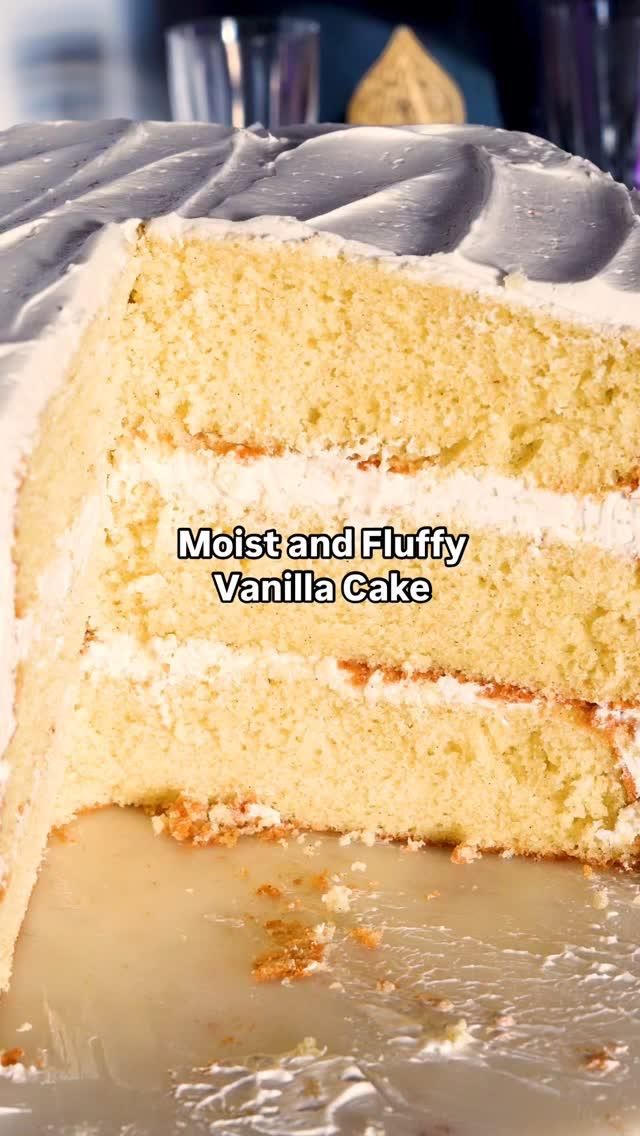
How To Make Cake By Scratch
Learn how to make cake by scratch with this foolproof recipe for a moist, tender vanilla layer cake that's perfect for any celebration.
🧂 Ingredients
- 2 1/2 cups (315g) all-purpose flour
- 2 1/2 tsp baking powder
- 1/2 tsp salt
- 1 cup (226g) unsalted butter, softened
- 1 3/4 cups (350g) granulated sugar
- 4 large eggs, at room temperature
- 1 tbsp vanilla extract
- 1 cup (240ml) buttermilk, at room temperature
📋 Instructions
- 1Preheat and Prepare — Preheat your oven to 350°F (175°C). Grease and flour two 9-inch round cake pans, or line the bottoms with parchment paper. This ensures the cakes release cleanly.
- 2Whisk Dry Ingredients — In a medium bowl, whisk together the flour, baking powder, and salt. Set aside. This distributes the leavening agents evenly.
- 3Cream Butter and Sugar — In a large bowl, beat the softened butter and sugar with an electric mixer on medium-high speed until light and fluffy, about 3-5 minutes. Scrape down the sides as needed. The mixture should look pale and airy.
- 4Add Eggs and Vanilla — Add the eggs one at a time, beating well after each addition. Beat in the vanilla extract. The batter should look smooth and glossy.
- 5Alternate Dry and Wet — With the mixer on low speed, add the flour mixture in three additions, alternating with the buttermilk, beginning and ending with flour. Mix until just combined—do not overmix. The batter will be thick and smooth.
- 6Divide Batter and Bake — Divide the batter evenly between the prepared pans. Smooth the tops with a spatula. Bake for 30-35 minutes, until a toothpick inserted into the center comes out clean and the tops are golden brown. The cakes should spring back when lightly pressed.
- 7Cool Cakes — Let the cakes cool in the pans for 10 minutes, then turn them out onto a wire rack to cool completely. This prevents sticking and allows for even cooling.
- 8Frost and Serve — Once completely cool, frost with your favorite buttercream or cream cheese frosting. For a classic look, spread a layer of frosting between the cakes and over the top and sides. Slice and enjoy!

Jonas writes about home renovation and woodworking, focusing on DIY projects that are achievable for beginners. He emphasizes careful planning and using simple tools to create lasting results.