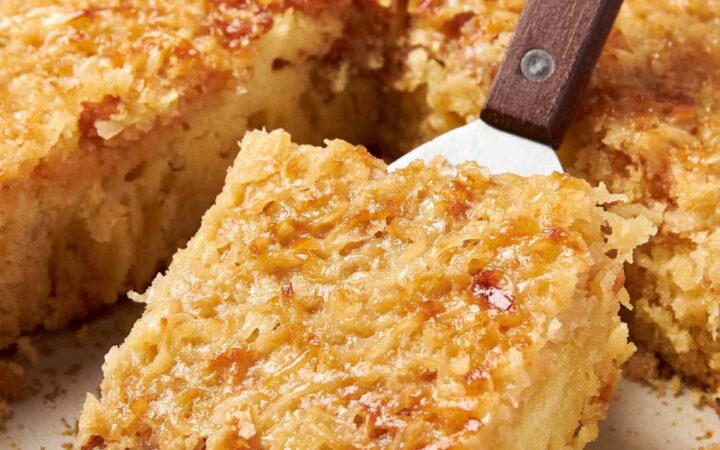
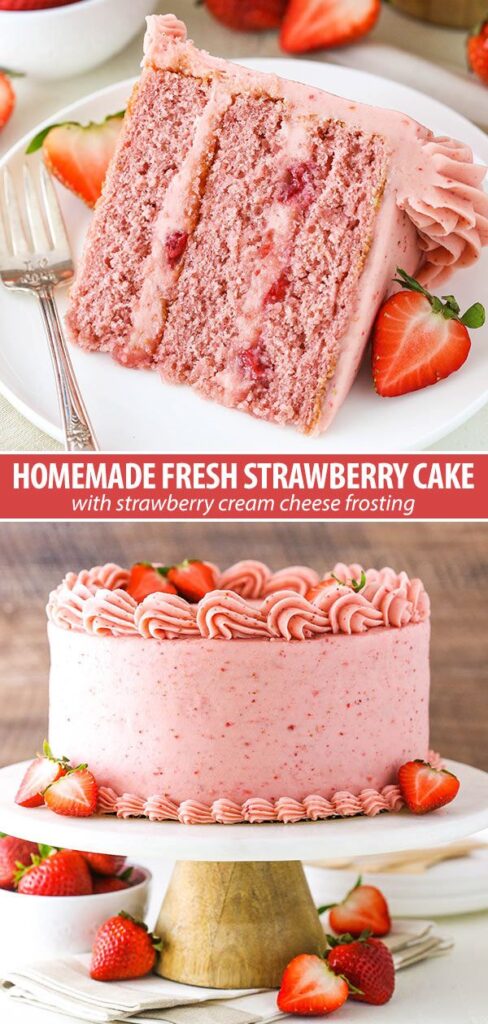
Welcome to my kitchen, where precision meets passion. Today, we're baking a Fresh Cake Recipe that's anything but ordinary. This isn't just any cake; it's a study in texture and flavor, a canvas for your creativity, and a testament to the joy of baking from scratch.
Advertisements1
I've spent years perfecting this recipe, measuring every ingredient, testing every temperature, and tweaking every step to ensure a foolproof result. The outcome is a cake that's incredibly moist, with a delicate vanilla flavor and a structure that's sturdy enough for layering yet tender enough to melt in your mouth.
Whether you're a seasoned baker or a curious beginner, this recipe is designed to guide you through each stage with clarity and confidence. So, preheat your oven, gather your tools, and let's create something beautiful together.
Why You'll Love This Recipe
About the Ingredients
2 ½ cups (315g) all-purpose flour
Provides structure. Use a digital scale for accuracy; if using cups, spoon and level. Substitute with cake flour for an even more delicate crumb.
2 ½ teaspoons baking powder
Leavening agent that gives the cake its rise. Ensure it's fresh; test by stirring a little into hot water – it should bubble vigorously.
½ teaspoon baking soda
Works with the buttermilk to tenderize the crumb. No substitute – it's essential for the right texture.
1 teaspoon salt
Balances sweetness and enhances flavor. Use fine sea salt for even distribution.
¾ cup (170g) unsalted butter, softened
Adds richness and flavor. If using salted butter, reduce added salt to ½ teaspoon.
1 ½ cups (300g) granulated sugar
Sweetens and helps create a tender crumb. For a deeper flavor, substitute half with light brown sugar.
3 large eggs, at room temperature
Bind ingredients and add structure. Room-temperature eggs incorporate more air, leading to a lighter cake.
1 tablespoon vanilla extract
Pure vanilla gives the best flavor. You can use vanilla bean paste for a more intense aroma.
1 cup (240ml) buttermilk, at room temperature
Adds moisture and activates the baking soda. No buttermilk? Make your own by adding 1 tablespoon lemon juice to 1 cup milk and letting it sit for 5 minutes.
½ cup (120ml) vegetable oil
Keeps the cake moist and tender. Use a neutral oil like canola or sunflower; avoid olive oil for its strong flavor.
Tips & Tricks
Use room-temperature ingredients
Cold butter and eggs won't cream properly, leading to a dense cake. Take them out 30-60 minutes before starting.
Don't overmix the batter
Once you add the flour mixture, mix just until combined. Overmixing develops gluten, making the cake tough.
Rotate the pans halfway through baking
Ovens often have hot spots. Rotating ensures even browning and rising.
Pro Tips
Step-by-Step Instructions
1. Preheat and Prepare Pans
Preheat your oven to 350°F (175°C). Grease two 9-inch round cake pans with butter and dust with flour, or line the bottoms with parchment paper. This ensures the cakes release easily.
2. Whisk Dry Ingredients
In a medium bowl, whisk together the flour, baking powder, baking soda, and salt. This distributes the leaveners evenly, so every bite rises uniformly.
3. Cream Butter and Sugar
In a large mixing bowl, beat the softened butter and sugar together on medium-high speed for 3-4 minutes, until light and fluffy. The mixture should look pale and increase in volume. This step incorporates air, crucial for a light crumb.
4. Add Eggs and Vanilla
Beat in the eggs one at a time, fully incorporating each before adding the next. Then mix in the vanilla extract. The mixture might look slightly curdled at this point – that's normal.
5. Combine Wet and Dry
With the mixer on low, add the dry ingredients in three additions, alternating with the buttermilk, starting and ending with the dry. Mix until just combined after each addition. Then, pour in the vegetable oil and mix until smooth. The batter will be silky and pourable.
6. Bake the Cakes
Divide the batter evenly between the prepared pans. Bake for 30-35 minutes, or until a toothpick inserted in the center comes out clean and the top springs back when lightly pressed. The internal temperature should read 210°F (99°C). Golden brown edges and a fragrant aroma are your cues.
7. Cool and Unmold
Place the pans on a wire rack and let them cool for 10 minutes. Then, run a knife around the edges and invert onto the rack. Let them cool completely before frosting or serving.
Delicious Variations
Lemon Fresh Cake
Add 2 tablespoons lemon zest and substitute 2 tablespoons of buttermilk with lemon juice for a bright citrusy twist.
Chocolate Chip Fresh Cake
Fold in 1 cup of mini chocolate chips (coated in a little flour to prevent sinking) before baking.
Berry Swirl Fresh Cake
Gently swirl ½ cup of your favorite berry jam into the batter before baking for a fruity surprise.
How to Store Fresh Cake Recipe
Refrigerator
Store in an airtight container at room temperature for up to 3 days, or in the refrigerator for up to a week.
Freezer
Wrap unfrosted cake layers tightly in plastic wrap and foil. Freeze for up to 3 months.
Reheating
Thaw overnight in the fridge, then bring to room temperature before serving. Warm individual slices in the microwave for 10-15 seconds if desired.
Frequently Asked Questions
Q: Can I use plain yogurt instead of buttermilk?
Yes, you can. Plain yogurt has a similar acidity and will work as a substitute in equal amounts. Thin it with a little milk if it's very thick.
Q: Why did my cake sink in the middle?
Your cake likely sank because the batter was overmixed or the oven temperature was too low. Overmixing develops gluten, which can cause a dense center. Also, ensure your oven is calibrated correctly and don't open the oven door during the first 20 minutes of baking.
Q: Can I make this cake gluten-free?
Yes, you can substitute the all-purpose flour with a 1:1 gluten-free baking flour blend. Make sure it contains xanthan gum for structure. The texture may be slightly different but still delicious.
Q: How do I know when the cake is done without a thermometer?
Insert a toothpick into the center – if it comes out clean or with a few moist crumbs, it's done. The top should spring back when lightly touched, and the edges will have slightly pulled away from the pan.
I hope you enjoy this Fresh Cake Recipe as much as I do. If you try it, I'd love to hear about your experience! Leave a comment below or tag me in your photos on social media. Happy baking!
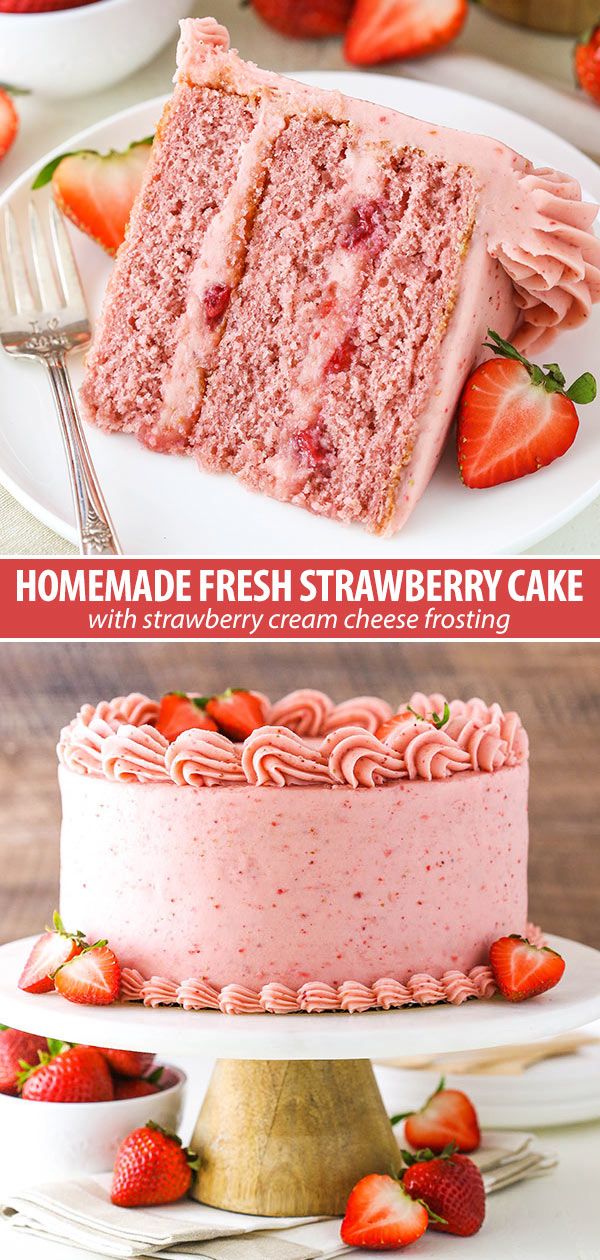
Fresh Cake Recipe
Fresh Cake Recipe: a moist, fluffy vanilla cake with a tender crumb, perfect for any celebration. Made from scratch in under an hour.
🧂 Ingredients
- 2 ½ cups (315g) all-purpose flour
- 2 ½ teaspoons baking powder
- ½ teaspoon baking soda
- 1 teaspoon salt
- ¾ cup (170g) unsalted butter, softened
- 1 ½ cups (300g) granulated sugar
- 3 large eggs, at room temperature
- 1 tablespoon vanilla extract
- 1 cup (240ml) buttermilk, at room temperature
- ½ cup (120ml) vegetable oil
📋 Instructions
- 1Preheat and Prepare Pans — Preheat your oven to 350°F (175°C). Grease two 9-inch round cake pans with butter and dust with flour, or line the bottoms with parchment paper. This ensures the cakes release easily.
- 2Whisk Dry Ingredients — In a medium bowl, whisk together the flour, baking powder, baking soda, and salt. This distributes the leaveners evenly, so every bite rises uniformly.
- 3Cream Butter and Sugar — In a large mixing bowl, beat the softened butter and sugar together on medium-high speed for 3-4 minutes, until light and fluffy. The mixture should look pale and increase in volume. This step incorporates air, crucial for a light crumb.
- 4Add Eggs and Vanilla — Beat in the eggs one at a time, fully incorporating each before adding the next. Then mix in the vanilla extract. The mixture might look slightly curdled at this point – that's normal.
- 5Combine Wet and Dry — With the mixer on low, add the dry ingredients in three additions, alternating with the buttermilk, starting and ending with the dry. Mix until just combined after each addition. Then, pour in the vegetable oil and mix until smooth. The batter will be silky and pourable.
- 6Bake the Cakes — Divide the batter evenly between the prepared pans. Bake for 30-35 minutes, or until a toothpick inserted in the center comes out clean and the top springs back when lightly pressed. The internal temperature should read 210°F (99°C). Golden brown edges and a fragrant aroma are your cues.
- 7Cool and Unmold — Place the pans on a wire rack and let them cool for 10 minutes. Then, run a knife around the edges and invert onto the rack. Let them cool completely before frosting or serving.

Jonas writes about home renovation and woodworking, focusing on DIY projects that are achievable for beginners. He emphasizes careful planning and using simple tools to create lasting results.