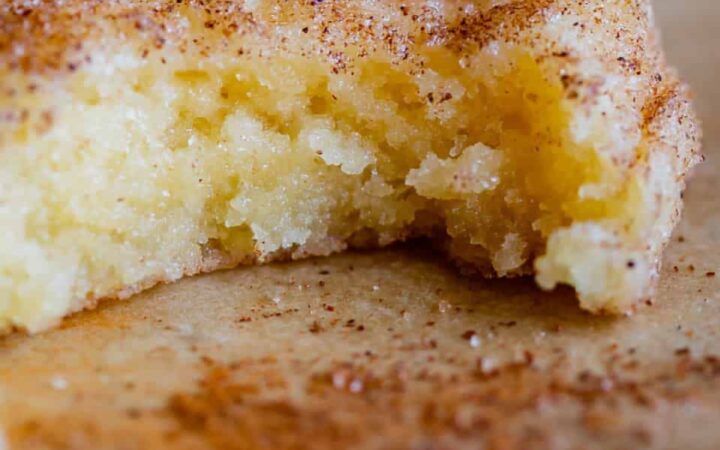
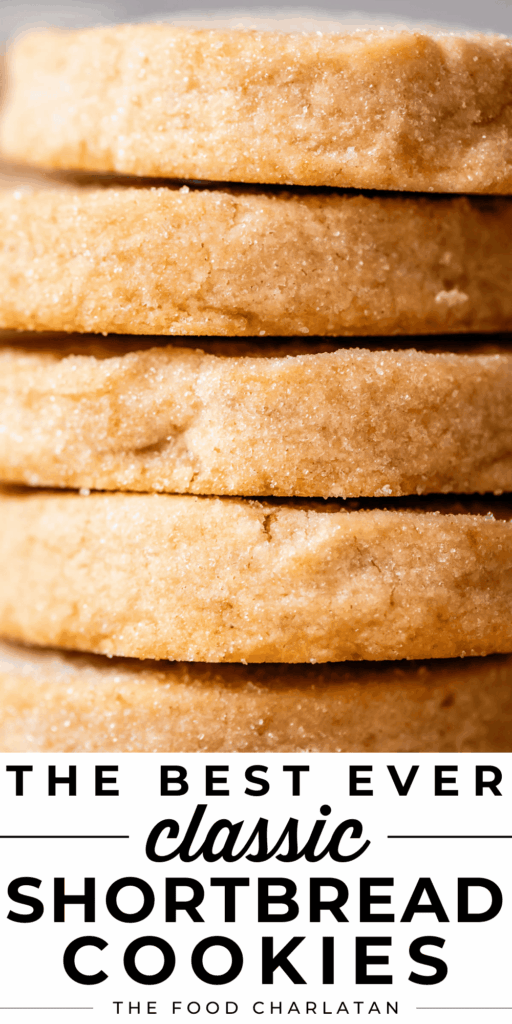
Close your eyes and imagine a cozy afternoon, the kettle just boiled, and the gentle aroma of butter and vanilla drifting through your kitchen. That is the magic of British shortbread biscuits – a simple pleasure that has warmed hearts for centuries.
Advertisements1
These biscuits are my little escape. They ask for nothing but a few humble ingredients, yet they deliver a melt-in-your-mouth tenderness that feels like a soft hug. As you mix the dough, let your shoulders drop. Notice the cool, crumbly texture beneath your fingers. This is your moment to slow down.
In a world that rushes, shortbread invites you to pause. The recipe is forgiving, the steps are gentle, and the reward is a golden tray of happiness. Let's bake together, one mindful bite at a time.
Why You'll Love This Recipe
About the Ingredients
1 cup (226g) unsalted butter, softened
Use good-quality butter – it's the star here. If you only have salted, reduce the added salt to a pinch. For a richer flavor, try European-style butter like Kerrygold.
1/2 cup (100g) granulated sugar
Granulated sugar gives a classic crispness. You can use caster sugar for an even finer texture. For a deeper flavor, substitute 2 tablespoons of the sugar with light brown sugar.
2 cups (250g) all-purpose flour
Plain flour works best. For a slightly nuttier taste, replace 1/4 cup with whole wheat pastry flour. Spoon and level to measure accurately.
1/4 cup (30g) rice flour
Rice flour is key for that signature shortbread crumble. If you don't have it, you can use cornstarch (cornflour) as a substitute – just reduce the amount to 2 tablespoons.
1/4 teaspoon salt
Salt balances the sweetness and enhances the butter. Use fine sea salt for even distribution.
1 teaspoon vanilla extract
Pure vanilla extract adds warmth. For a festive twist, use 1/2 teaspoon of almond extract instead. Or scrape the seeds from half a vanilla bean for a more intense flavor.
Tips & Tricks
Butter must be truly soft
Take it out of the fridge 30-45 minutes before starting. It should yield easily when pressed with a finger, but not be melted.
Don't overwork the dough
Once the flour is incorporated, stop mixing. Overworking develops gluten, making the shortbread tough instead of tender.
Chill before baking
If the dough feels too soft, refrigerate the shaped dough for 15-20 minutes before baking. This prevents spreading and helps maintain clean edges.
Score gently
When marking the shortbread into fingers, use a sharp knife and cut only halfway through the dough – this prevents the edges from cracking while baking.
Pro Tips
Step-by-Step Instructions
1. Preheat and prepare
Preheat your oven to 325°F (165°C). Line an 8-inch square baking pan with parchment paper, leaving some overhang for easy removal.
2. Cream butter and sugar
In a large bowl, beat the softened butter and sugar together until pale and fluffy, about 2-3 minutes. This incorporates air for a lighter texture. Scrape down the sides as needed.
3. Add vanilla and dry ingredients
Mix in the vanilla extract. In a separate bowl, whisk together the all-purpose flour, rice flour, and salt. Gradually add the dry ingredients to the butter mixture, mixing on low speed just until combined. The dough will be soft and crumbly but should come together when pressed.
4. Press into the pan
Transfer the dough to the prepared pan. Use your hands or the back of a flat-bottomed glass to press it evenly into the corners. Smooth the top as much as possible.
5. Score the shortbread
Using a sharp knife, gently score the dough into 12 fingers (3 rows by 4). Make shallow cuts, about 1/4 inch deep, to mark the pieces. Prick each finger with a fork to create the classic dimpled pattern.
6. Chill the dough
Place the pan in the refrigerator for 15-20 minutes. This helps the dough firm up, preventing spreading and ensuring clean edges.
7. Bake to golden
Bake for 30-35 minutes, until the edges are lightly golden and the top is pale and set. The center should feel firm to the touch. If you insert a toothpick, it should come out clean. The shortbread will still be soft but will firm up as it cools.
8. Cool and cut
Remove the pan from the oven and let it cool on a wire rack for 10 minutes. While still warm, use a sharp knife to cut through the scored lines all the way to the bottom. Let cool completely in the pan before lifting out and breaking into fingers.
Delicious Variations
Chocolate Dipped Shortbread
Once cooled, dip each finger halfway into melted dark chocolate and sprinkle with sea salt. Let set on parchment paper.
Lavender Honey Shortbread
Reduce sugar to 1/3 cup and add 1 tablespoon culinary lavender buds and 1 tablespoon honey to the butter mixture. Bake as directed.
Citrus Glazed Shortbread
Add the zest of one orange or lemon to the sugar before creaming. After baking, drizzle with a simple icing made from powdered sugar and fresh citrus juice.
How to Store British Shortbread Biscuits
Refrigerator
Store in an airtight container at room temperature for up to 1 week. For longer storage, keep in the refrigerator for up to 2 weeks.
Freezer
Baked shortbread can be frozen in an airtight container for up to 3 months. Unbaked dough can be frozen for up to 3 months as well – shape into a log, wrap tightly, and slice before baking.
Reheating
Shortbread is best enjoyed at room temperature. If you prefer a slightly warm treat, heat in a 300°F (150°C) oven for 5 minutes.
Frequently Asked Questions
Q: Why is my shortbread tough and not crumbly?
Overworking the dough or using too much flour can make shortbread tough. Handle the dough as little as possible and measure flour correctly by spooning it into the cup and leveling off. Also, ensure you use rice flour or cornstarch, which help create that tender crumb.
Q: Can I use salted butter instead of unsalted?
Yes, you can use salted butter, but omit the added salt from the recipe. Since salted butter varies in saltiness, taste the dough? But be aware that raw dough contains raw flour, so it's not recommended. Instead, adjust the salt in the recipe by starting with a pinch and baking a test piece.
Q: How do I know when the shortbread is done?
The shortbread is done when the edges are lightly golden and the top is pale and set. It should feel firm to the touch, and a toothpick inserted into the center should come out clean. The shortbread will still be soft but will firm up as it cools.
Q: Can I add chocolate chips or nuts to the dough?
Yes, you can add up to 1/2 cup of chocolate chips, chopped nuts, or dried fruit to the dough – just fold them in gently after the flour is incorporated. Keep in mind that additions may make the dough harder to press evenly, so be gentle.
Q: What is the difference between shortbread and shortcake?
Shortbread is a rich, crumbly biscuit made from butter, sugar, and flour, with a high butter-to-flour ratio. Shortcake is a lighter, more cake-like baked good often served with fruit and cream. Shortcake typically includes a leavening agent like baking powder, while shortbread does not.
I hope this gentle recipe brings you a moment of peace. Take a deep breath, let the buttery aroma fill your kitchen, and enjoy each crumbly bite. Share your baking joy with someone you love, and remember: Breathe in, breathe out.
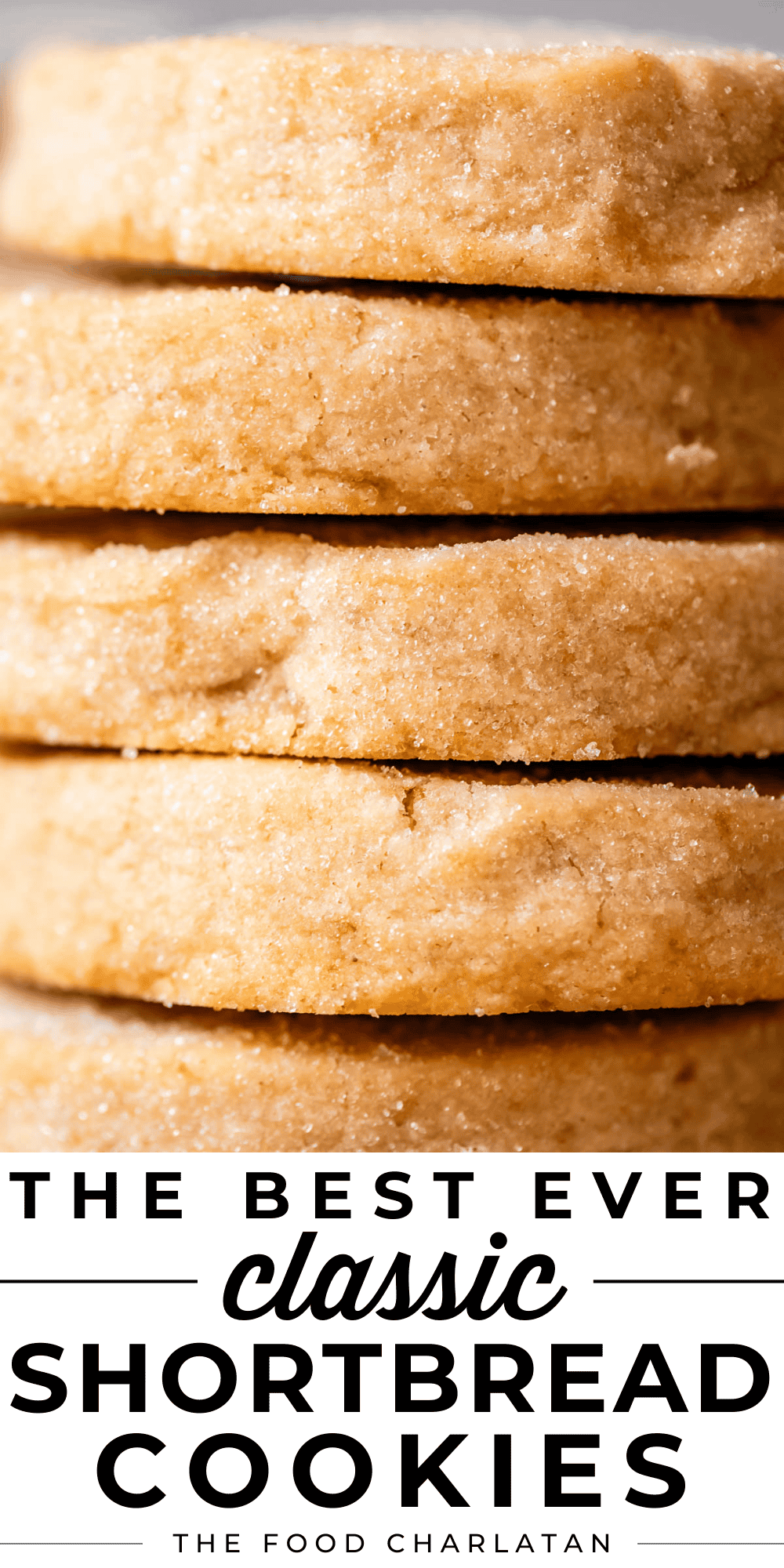
British Shortbread Biscuits
Easy British Shortbread Biscuits: buttery, crisp, and crumbly. A classic teatime treat made with 4 simple ingredients. Ready in under an hour.
🧂 Ingredients
- 1 cup (226g) unsalted butter, softened
- 1/2 cup (100g) granulated sugar
- 2 cups (250g) all-purpose flour
- 1/4 cup (30g) rice flour
- 1/4 teaspoon salt
- 1 teaspoon vanilla extract
📋 Instructions
- 1Preheat and prepare — Preheat your oven to 325°F (165°C). Line an 8-inch square baking pan with parchment paper, leaving some overhang for easy removal.
- 2Cream butter and sugar — In a large bowl, beat the softened butter and sugar together until pale and fluffy, about 2-3 minutes. This incorporates air for a lighter texture. Scrape down the sides as needed.
- 3Add vanilla and dry ingredients — Mix in the vanilla extract. In a separate bowl, whisk together the all-purpose flour, rice flour, and salt. Gradually add the dry ingredients to the butter mixture, mixing on low speed just until combined. The dough will be soft and crumbly but should come together when pressed.
- 4Press into the pan — Transfer the dough to the prepared pan. Use your hands or the back of a flat-bottomed glass to press it evenly into the corners. Smooth the top as much as possible.
- 5Score the shortbread — Using a sharp knife, gently score the dough into 12 fingers (3 rows by 4). Make shallow cuts, about 1/4 inch deep, to mark the pieces. Prick each finger with a fork to create the classic dimpled pattern.
- 6Chill the dough — Place the pan in the refrigerator for 15-20 minutes. This helps the dough firm up, preventing spreading and ensuring clean edges.
- 7Bake to golden — Bake for 30-35 minutes, until the edges are lightly golden and the top is pale and set. The center should feel firm to the touch. If you insert a toothpick, it should come out clean. The shortbread will still be soft but will firm up as it cools.
- 8Cool and cut — Remove the pan from the oven and let it cool on a wire rack for 10 minutes. While still warm, use a sharp knife to cut through the scored lines all the way to the bottom. Let cool completely in the pan before lifting out and breaking into fingers.