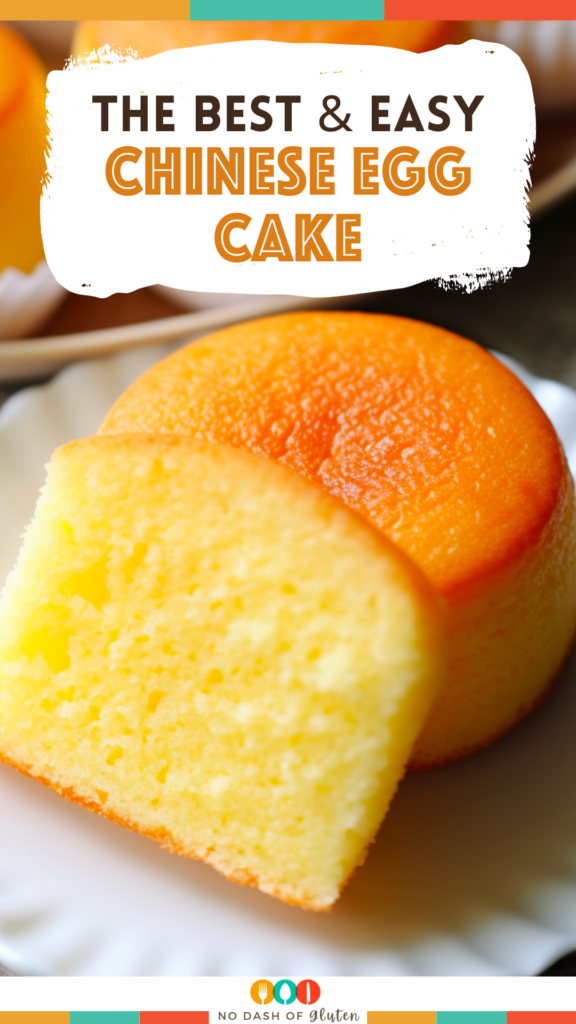
Chinese Egg Cake is the humble, cloud-soft sponge that shows up at dim sum carts, Asian bakeries, and grandma's kitchen table all at once. It is basically a souffle that decided to stop being dramatic: eggs, sugar, flour, and a whisper of oil, whipped until pale and baked until it puffs like a pillow. The payoff is a cake you can tear with your fingers, dunk in tea, and feel weirdly proud of because you made it from almost nothing.
Advertisements1
I first tried this cake on a steamy Hong Kong morning and immediately thought, this is the plant-based equivalent of a sunflower turning toward the sun, except it is made of eggs. My first attempt, by the way, was a flat, sad pancake because I folded the flour like I was stirring cement. Learn from my flour-covered mistakes: be gentle, and this cake rewards you with a crumb so light it practically floats.
The best part is the cost. Five ingredients, one bowl, one pan, and about fifty minutes from cracking eggs to cooling cake. No stand mixer required if you have a strong wrist and a little patience. Get your hands dirty and let's make the fluffiest Chinese Egg Cake this side of the bakery window.
Why You'll Love This Recipe
About the Ingredients
6 large eggs (about 300g), separated, room temperature
Room-temperature eggs whip to nearly triple their volume, so pull them out 30 minutes early. If you are out of eggs, this cake genuinely needs them, but a liquid egg substitute works in a pinch with a slightly denser crumb.
3/4 cup (150g) granulated sugar, divided
Fine white sugar dissolves fastest into the meringue; coarse sugar leaves gritty spots. Caster sugar is the ideal swap if you have it, or pulse regular sugar in a blender for 10 seconds.
1 cup (120g) cake flour, sifted twice
Cake flour's low protein keeps the sponge tender; all-purpose works but add 2 tablespoons cornstarch per cup to mimic it. Always sift, because lumps deflate your beautiful meringue.
1/4 cup (60ml) whole milk, room temperature
Whole milk adds richness and moisture; oat milk or soy milk substitutes one-for-one without changing the texture much. Warm it slightly if it has been in the fridge.
1/4 cup (60ml) neutral oil, such as canola or grapeseed
Neutral oil keeps the cake moist without flavor interference; melted coconut oil works but adds a subtle coconut note. Avoid olive oil unless you want a savory twist.
1 teaspoon vanilla extract
Vanilla rounds out the eggy flavor; almond extract or a teaspoon of orange zest are lovely substitutes. Buy pure extract, not imitation, for a cleaner taste.
1/4 teaspoon fine salt
Salt balances the sweetness and stabilizes the egg whites. Fine sea salt dissolves evenly; skip flaky salt here because it will not incorporate.
1/2 teaspoon cream of tartar (optional but helpful)
Cream of tartar keeps the meringue stable and glossy; a teaspoon of lemon juice or white vinegar works as a substitute. Skip it if your eggs are very fresh and your bowl is spotless.
Tips & Tricks
Separate Eggs Cold, Whip Them Warm
Cold eggs separate cleanly, but let the whites sit 20 minutes before whipping so they reach full volume.
Fold, Do Not Stir
Use a spatula in a J-shape and cut down through the batter, then fold over; stirring knocks out the air you just worked for.
Bake in a Water Bath
The steam keeps the oven humid, which prevents the top from cracking and gives that signature custardy bottom.
Cool Upside Down
Invert the pan on a wire rack for 10 minutes so gravity holds the sponge tall while it sets.
Pro Tips
Step-by-Step Instructions
1. Prep the Pan and Oven
Preheat your oven to 325F (165C) and line the bottom of a 9-inch round cake pan with parchment. Do not grease the sides, because the batter needs to climb them like a little eggy mountain climber.
2. Whisk the Yolks
Whisk 6 egg yolks with 1/4 cup (50g) of the sugar until pale and thickened, about 2 minutes. Add the milk, oil, vanilla, and salt, then sift in the cake flour and whisk just until smooth. The batter should ribbon off the whisk like slow honey.
3. Whip the Whites
In a clean bowl, beat the egg whites with cream of tartar on medium speed until foamy, then add the remaining 1/2 cup (100g) sugar one tablespoon at a time. Beat to stiff peaks, about 4 to 5 minutes, until the meringue holds a sharp peak and does not slide when you tilt the bowl.
4. Fold Gently
Fold one-third of the meringue into the yolk batter to lighten it, then fold in the rest in two additions. Stop as soon as no white streaks remain; overmixing here is the number one reason this cake turns into a doorstop.
5. Bake in a Water Bath
Pour the batter into the pan and set it inside a larger roasting pan. Add hot water to the roasting pan until it reaches 1 inch up the sides, then bake at 325F (165C) for 35 to 40 minutes. The top should be golden brown and spring back when lightly pressed, and a toothpick at the center should come out clean.
6. Cool and Unmold
Remove the cake from the water bath and cool in the pan on a wire rack for 10 minutes. Run a thin knife around the edge, invert onto the rack, peel off the parchment, and flip back upright to cool completely before slicing.
Delicious Variations
Pandan Coconut
Swap the milk for coconut milk and add 1 teaspoon pandan extract for a green, fragrant twist.
Cheese Topping
Sprinkle 1/4 cup grated cheddar over the top before baking for a sweet-savory bakery-style version.
Orange Almond
Replace vanilla with almond extract and fold in 1 tablespoon orange zest for a citrusy, nutty upgrade.
How to Store Chinese Egg Cake
Refrigerator
Store cooled cake in an airtight container in the refrigerator for up to 3 days; the sponge stays moist but firms up slightly.
Freezer
Wrap individual slices tightly in plastic wrap and freeze for up to 2 months; thaw at room temperature for 1 hour before serving.
Reheating
Reheat slices in the microwave for 10 to 15 seconds, or wrap in foil and warm in a 300F (150C) oven for 5 minutes to bring back the softness.
Frequently Asked Questions
Q: Why did my Chinese Egg Cake deflate after baking?
It most likely deflated because the meringue was under-whipped or the batter was over-folded, which collapses the air bubbles. Make sure your egg whites reach stiff peaks and fold with a light hand, then cool the cake upside down to help it hold its height.
Q: Can I make Chinese Egg Cake without a water bath?
Yes, you can bake it directly on the oven rack, but the top will brown faster and may crack. If you skip the water bath, lower the oven to 300F (150C) and bake for 40 to 45 minutes, checking with a toothpick for doneness.
Q: What is the difference between Chinese Egg Cake and sponge cake?
Chinese Egg Cake uses whole whipped eggs and often a water bath for a custardy, steamed texture, while classic sponge cake relies on a drier, higher-heat bake. The Chinese version is typically less sweet and has a distinctive soft, bouncy crumb.
Q: How do I know when the cake is fully baked?
The cake is done when the top is golden brown, the center springs back when pressed, and a toothpick inserted in the middle comes out clean. If the center jiggles like a waterbed, give it 5 more minutes.
Q: Can I use all-purpose flour instead of cake flour?
Yes, but replace 2 tablespoons of each cup of all-purpose flour with cornstarch to lower the protein content. This keeps the crumb tender instead of tough, which is the whole point of this fluffy cake.
Grab your whisk, crack those eggs, and let the kitchen smell like a warm bakery. This Chinese Egg Cake is proof that the simplest ingredients make the most magical sponges, so bake one today and watch it disappear before it even cools. Get your hands dirty!
Chinese Egg Cake
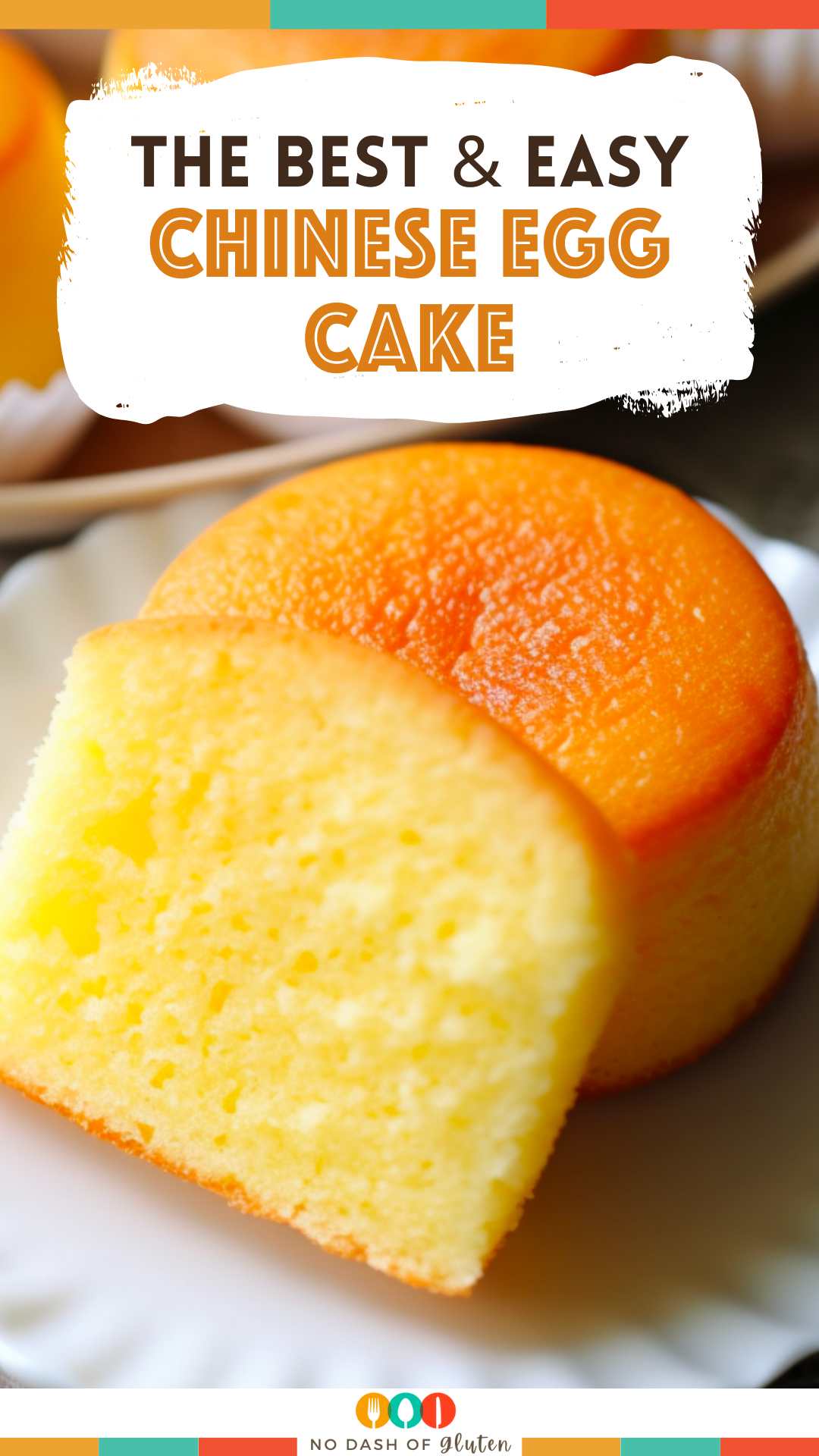
Chinese Egg Cake is a soft, airy steamed sponge with a golden top that comes together from five pantry staples and one bowl.
🧂 Ingredients
- 6 large eggs (about 300g), separated, room temperature
- 3/4 cup (150g) granulated sugar, divided
- 1 cup (120g) cake flour, sifted twice
- 1/4 cup (60ml) whole milk, room temperature
- 1/4 cup (60ml) neutral oil, such as canola or grapeseed
- 1 teaspoon vanilla extract
- 1/4 teaspoon fine salt
- 1/2 teaspoon cream of tartar (optional but helpful)
📋 Instructions
- 1Prep the Pan and Oven — Preheat your oven to 325F (165C) and line the bottom of a 9-inch round cake pan with parchment. Do not grease the sides, because the batter needs to climb them like a little eggy mountain climber.
- 2Whisk the Yolks — Whisk 6 egg yolks with 1/4 cup (50g) of the sugar until pale and thickened, about 2 minutes. Add the milk, oil, vanilla, and salt, then sift in the cake flour and whisk just until smooth. The batter should ribbon off the whisk like slow honey.
- 3Whip the Whites — In a clean bowl, beat the egg whites with cream of tartar on medium speed until foamy, then add the remaining 1/2 cup (100g) sugar one tablespoon at a time. Beat to stiff peaks, about 4 to 5 minutes, until the meringue holds a sharp peak and does not slide when you tilt the bowl.
- 4Fold Gently — Fold one-third of the meringue into the yolk batter to lighten it, then fold in the rest in two additions. Stop as soon as no white streaks remain; overmixing here is the number one reason this cake turns into a doorstop.
- 5Bake in a Water Bath — Pour the batter into the pan and set it inside a larger roasting pan. Add hot water to the roasting pan until it reaches 1 inch up the sides, then bake at 325F (165C) for 35 to 40 minutes. The top should be golden brown and spring back when lightly pressed, and a toothpick at the center should come out clean.
- 6Cool and Unmold — Remove the cake from the water bath and cool in the pan on a wire rack for 10 minutes. Run a thin knife around the edge, invert onto the rack, peel off the parchment, and flip back upright to cool completely before slicing.

Diego writes about urban gardening and DIY projects for small spaces, turning balconies and windowsills into green retreats. He shares hands-on tips for beginners and seasoned growers alike.