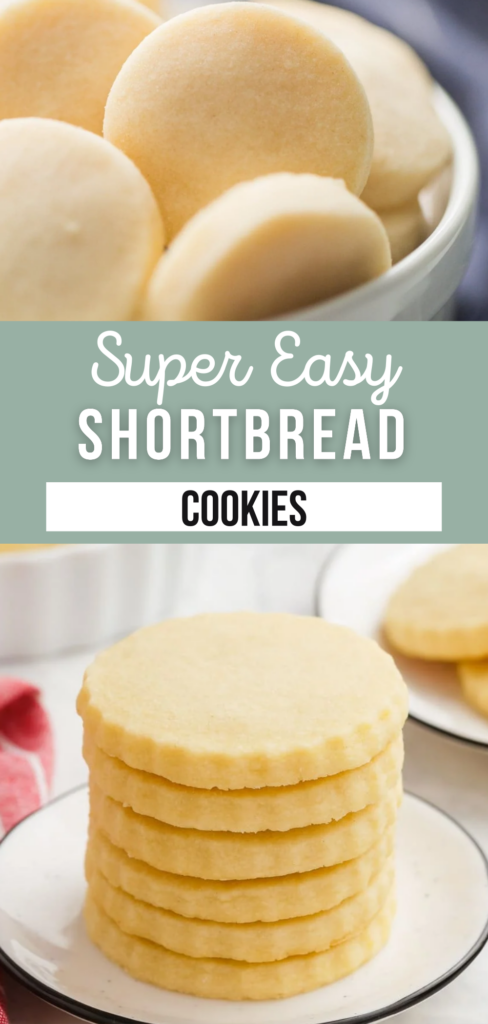
Buttery Shortbread Cookies are the quietest recipe in my kitchen. Three ingredients. One bowl. No rush.
Advertisements1
They ask for patience more than skill. The dough needs a short chill. The oven does the rest.
I bake them on grey afternoons. The kitchen smells like butter and vanilla. The world slows down.
Why You'll Love This Recipe
About the Ingredients
1 cup (227g) unsalted butter, softened to 65°F (18°C)
European-style butter with higher fat gives a richer crumb. If you only have salted butter, skip the added salt in the dough.
1/2 cup (100g) granulated sugar, plus 2 tablespoons for dusting
Caster sugar dissolves faster and leaves a finer texture. Pulse coarse sugar in a blender for 20 seconds if needed.
2 1/4 cups (270g) all-purpose flour, spooned and leveled
Swap 1/4 cup for cornstarch to make the crumb even more tender. Do not use bread flour here.
1/4 teaspoon fine sea salt
Kosher salt works if you crush the flakes. A pinch of flaky salt on top is a lovely finish.
1 1/2 teaspoons vanilla extract
Vanilla bean paste adds flecks and deeper flavor. Almond extract, halved, is a classic Scottish swap.
1 teaspoon finely grated orange zest, optional
Zest only the colored peel, never the white pith. Lemon or lime zest works just as well.
Tips & Tricks
- Weigh your flour. A cup scooped straight from the bag can add 30 grams, which turns tender shortbread tough.
- Cream the butter and sugar for a full 3 minutes. The mixture should look pale and feel light, not gritty.
- Chill the dough log for at least 30 minutes. Warm dough spreads and loses its clean, sharp edges.
- Bake low and slow at 325°F (165°C). High heat browns the edges before the center sets.
Pro Tips
Step-by-Step Instructions
1. Cream Butter and Sugar
Beat the softened butter, 1/2 cup sugar, and orange zest on medium speed for 3 minutes, until pale and fluffy. Scrape the bowl once so nothing stays gritty at the bottom.
2. Add Vanilla and Salt
Mix in the vanilla and sea salt for 20 seconds. The aroma should bloom right away, which tells you the butter is still cool enough to hold air.
3. Fold in Flour
Add the flour in two additions on low speed, stopping the moment the dough comes together. Overmixing develops gluten and makes the cookies tough.
4. Shape the Log
Turn the dough onto parchment and roll it into a 10-inch log, about 2 inches thick. Press firmly so there are no hollow pockets inside.
5. Chill Until Firm
Wrap the log and refrigerate for at least 30 minutes, or up to 3 days. Cold dough slices cleanly and holds its shape in the oven.
6. Slice and Sugar
Heat the oven to 325°F (165°C). Slice the log into 1/2-inch rounds and space them 1 inch apart on a parchment-lined sheet. Sprinkle the tops with the remaining 2 tablespoons sugar.
7. Bake Low and Slow
Bake for 18 to 22 minutes, until the edges are barely golden and the centers look dry but pale. The cookies should feel set, not soft, when you touch one gently.
8. Cool Completely
Leave the cookies on the sheet for 10 minutes, then move them to a rack. They crisp as they cool, so patience here matters.
Delicious Variations
Chocolate-Dipped
Dip half of each cooled cookie in 4 ounces of melted dark chocolate and let it set on parchment.
Rosemary-Lemon
Replace the orange zest with 1 teaspoon minced fresh rosemary and the zest of one lemon.
Pecan Brown Sugar
Swap the granulated sugar for light brown sugar and fold in 1/2 cup finely chopped toasted pecans.
How to Store Buttery Shortbread Cookies
Refrigerator
Store in an airtight tin at room temperature for up to 1 week. Refrigerate only if your kitchen is humid, up to 2 weeks.
Freezer
Wrap the unbaked log tightly and freeze for up to 3 months. Slice and bake from frozen, adding 2 minutes to the bake time. Baked cookies freeze well for 2 months.
Reheating
Refresh stored cookies at 300°F (150°C) for 4 to 5 minutes to bring back the crisp edge. Never microwave them, or they turn soft and greasy.
Frequently Asked Questions
Q: Why did my shortbread spread in the oven?
Warm dough and too-soft butter cause spreading. Chill the shaped log for at least 30 minutes and start with butter at 65°F (18°C), not melted or room-warm. A cool sheet pan also helps.
Q: Can I make shortbread without a stand mixer?
Yes, a hand mixer or even a wooden spoon works fine. Soften the butter properly first, then beat by hand for about 5 minutes until the mixture turns pale and creamy.
Q: What is the best flour for shortbread cookies?
All-purpose flour gives the classic tender snap. For an even finer, melt-in-your-mouth crumb, replace 1/4 cup of the flour with cornstarch. Avoid bread flour, which makes them chewy.
Q: How do I know when shortbread is done baking?
The edges should be pale gold and the tops dry with no glossy spots. They will still feel slightly soft in the center but firm up completely as they cool on the sheet.
Q: Can I freeze shortbread dough?
Yes, wrap the unbaked log in plastic and foil, then freeze for up to 3 months. Slice while frozen and add about 2 minutes to the bake time.
Bake a batch this week. Share them with someone who needs a quiet moment. Notice how three simple things become something warm. Breathe, then unplug.
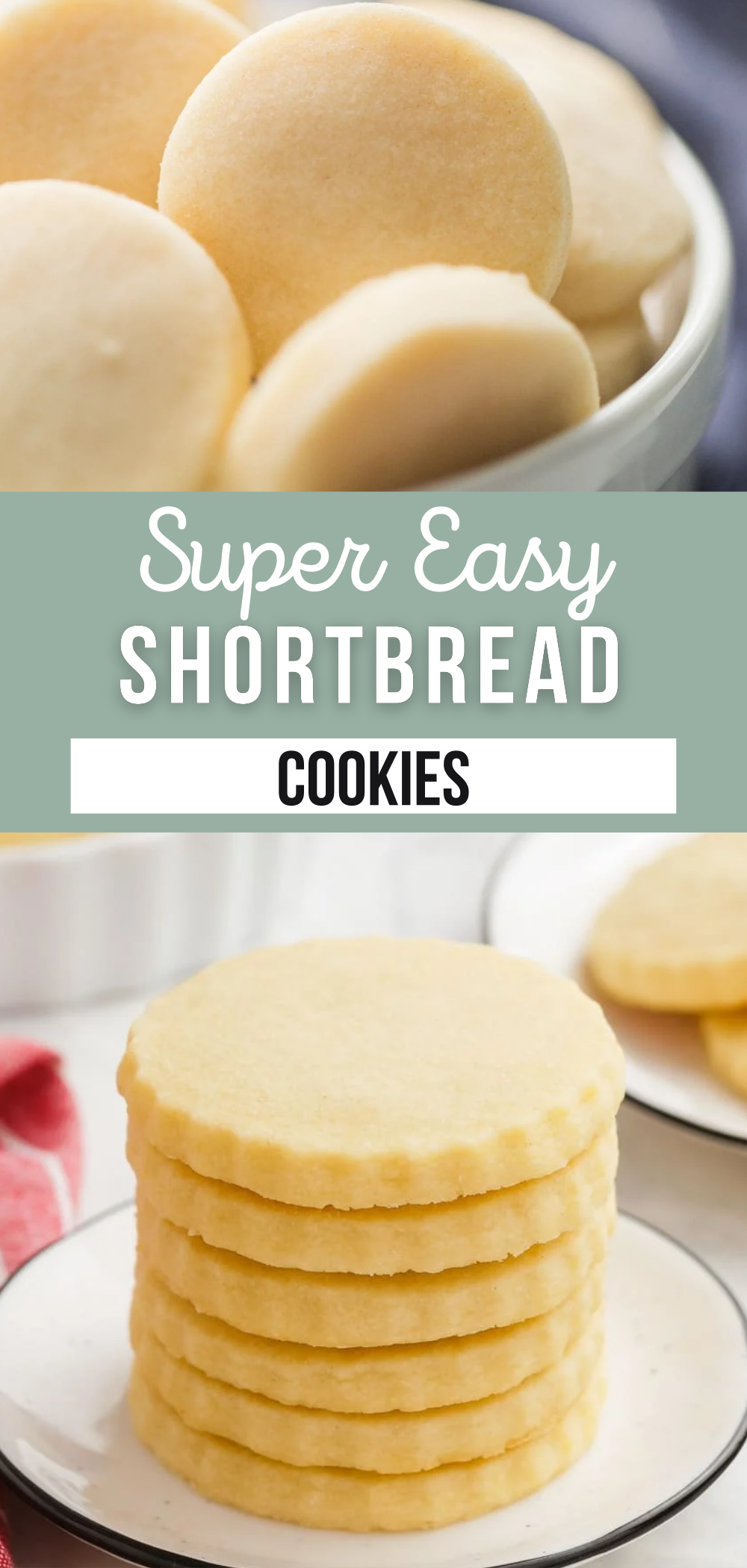
Buttery Shortbread Cookies
Buttery Shortbread Cookies melt in your mouth with just three pantry staples, a tender crumb, and a crisp sugared edge. Simple, calm baking at its best.
🧂 Ingredients
- 1 cup (227g) unsalted butter, softened to 65°F (18°C)
- 1/2 cup (100g) granulated sugar, plus 2 tablespoons for dusting
- 2 1/4 cups (270g) all-purpose flour, spooned and leveled
- 1/4 teaspoon fine sea salt
- 1 1/2 teaspoons vanilla extract
- 1 teaspoon finely grated orange zest, optional
📋 Instructions
- 1Cream Butter and Sugar — Beat the softened butter, 1/2 cup sugar, and orange zest on medium speed for 3 minutes, until pale and fluffy. Scrape the bowl once so nothing stays gritty at the bottom.
- 2Add Vanilla and Salt — Mix in the vanilla and sea salt for 20 seconds. The aroma should bloom right away, which tells you the butter is still cool enough to hold air.
- 3Fold in Flour — Add the flour in two additions on low speed, stopping the moment the dough comes together. Overmixing develops gluten and makes the cookies tough.
- 4Shape the Log — Turn the dough onto parchment and roll it into a 10-inch log, about 2 inches thick. Press firmly so there are no hollow pockets inside.
- 5Chill Until Firm — Wrap the log and refrigerate for at least 30 minutes, or up to 3 days. Cold dough slices cleanly and holds its shape in the oven.
- 6Slice and Sugar — Heat the oven to 325°F (165°C). Slice the log into 1/2-inch rounds and space them 1 inch apart on a parchment-lined sheet. Sprinkle the tops with the remaining 2 tablespoons sugar.
- 7Bake Low and Slow — Bake for 18 to 22 minutes, until the edges are barely golden and the centers look dry but pale. The cookies should feel set, not soft, when you touch one gently.
- 8Cool Completely — Leave the cookies on the sheet for 10 minutes, then move them to a rack. They crisp as they cool, so patience here matters.

Ingrid explores mindful technology use and digital minimalism, helping readers reclaim focus. She writes about practical habits to reduce screen time and improve digital well-being.