Welcome to my kitchen, where we're about to create a truly exceptional vanilla cake from scratch. This isn't just any vanilla cake – it's a meticulously crafted treat that combines the pure essence of vanilla with a soft, moist crumb that practically melts in your mouth.
Advertisements1
I've spent years perfecting this recipe, testing every variable from butter temperature to mixing time. The result is a cake that's both elegant and approachable, perfect for birthdays, celebrations, or simply a cozy afternoon treat. Whether you're a seasoned baker or a curious novice, I'll guide you through each step with precision and care.
What sets this vanilla cake apart is its balance: not too sweet, with a pronounced vanilla flavor that comes from using both extract and vanilla bean paste. The technique of creaming butter and sugar properly creates a light, airy structure, while buttermilk adds a subtle tang and extraordinary tenderness. Let's begin this rewarding journey together.
Why You'll Love This Recipe
About the Ingredients
2 1/2 cups (315g) all-purpose flour
Use a kitchen scale for accuracy. If you don't have one, spoon flour into the measuring cup and level off. For a lighter texture, you can substitute 1 cup with cake flour.
2 1/2 tsp baking powder
Ensure it's fresh – test by stirring a bit into hot water; it should bubble vigorously. If not, replace it.
1/2 tsp baking soda
This helps neutralize the buttermilk's acidity, aiding in leavening and tenderness.
1/2 tsp salt
Fine sea salt works best; it balances sweetness and enhances flavor.
3/4 cup (170g) unsalted butter, softened
Bring to room temperature for proper creaming. If you only have salted, reduce added salt to 1/4 tsp.
1 3/4 cups (350g) granulated sugar
Regular white sugar creates the best structure. For a deeper flavor, you can replace half with light brown sugar.
3 large eggs, room temperature
Room-temperature eggs emulsify better, creating a smoother batter. Place cold eggs in warm water for 5 minutes if needed.
1/4 cup (60ml) vegetable oil
Any neutral oil like canola or grapeseed works. This adds moisture without affecting flavor.
1 tbsp vanilla bean paste (or 2 tsp vanilla extract)
Vanilla bean paste gives those beautiful specks and intense flavor. If using extract, choose pure vanilla, not imitation.
1 cup (240ml) buttermilk, room temperature
Buttermilk makes the cake incredibly tender. No buttermilk? Add 1 tbsp lemon juice to regular milk and let sit for 5 minutes.
Tips & Tricks
Room temperature ingredients are crucial
they emulsify properly, creating a uniform batter and a smooth, even crumb. Set out butter, eggs, and buttermilk 30 minutes before starting.
Don't overmix the batter
once you add the flour mixture, mix just until combined. Overmixing develops gluten, resulting in a dense, tough cake. Stop when you see no more flour streaks.
Use a kitchen scale for dry ingredients
it's the most accurate way to measure, ensuring consistent results every time. If using cups, spoon and level – never scoop directly from the bag.
Pro Tips
Step-by-Step Instructions
1. Preheat and Prepare
Preheat your oven to 350°F (175°C). Grease two 9-inch round cake pans with butter or nonstick spray, then line the bottoms with parchment paper circles. This ensures easy release and clean edges.
2. Whisk Dry Ingredients
In a medium bowl, whisk together the flour, baking powder, baking soda, and salt. Set aside. This distributes the leaveners evenly, ensuring a consistent rise.
3. Cream Butter and Sugar
In a large bowl using a hand or stand mixer, beat the softened butter and sugar on medium-high speed for 3-4 minutes until light and fluffy, scraping down the sides as needed. This incorporates air, giving the cake its structure.
4. Add Eggs and Vanilla
Beat in the eggs one at a time, making sure each is fully incorporated before adding the next. Then mix in the vanilla bean paste (or extract) and oil until combined. The batter may look slightly curdled – that's normal.
5. Alternate Add Dry and Buttermilk
With the mixer on low, add the flour mixture in three additions, alternating with the buttermilk, starting and ending with flour. Mix just until combined after each addition. Do not overmix; a few streaks are okay.
6. Divide and Bake
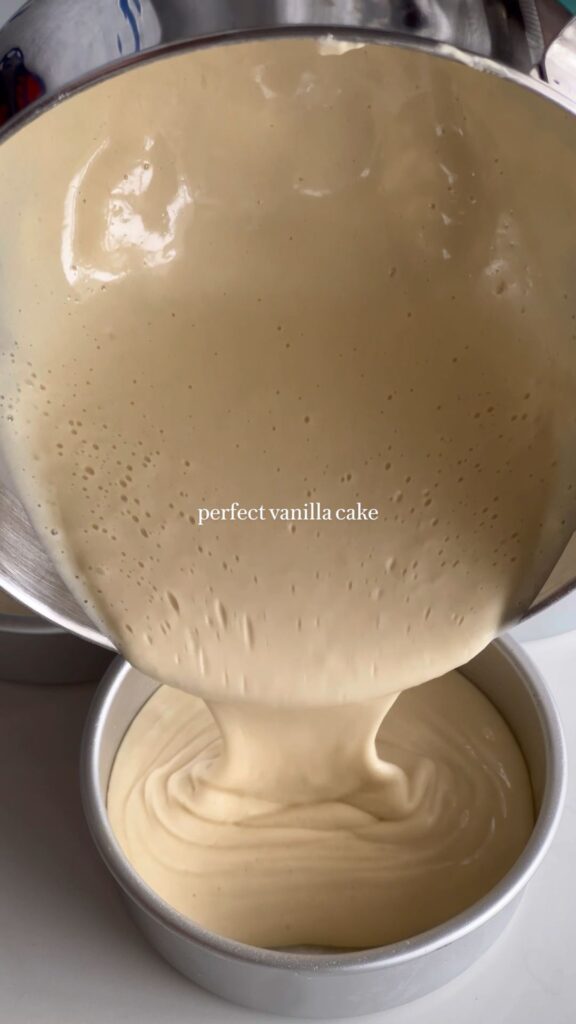
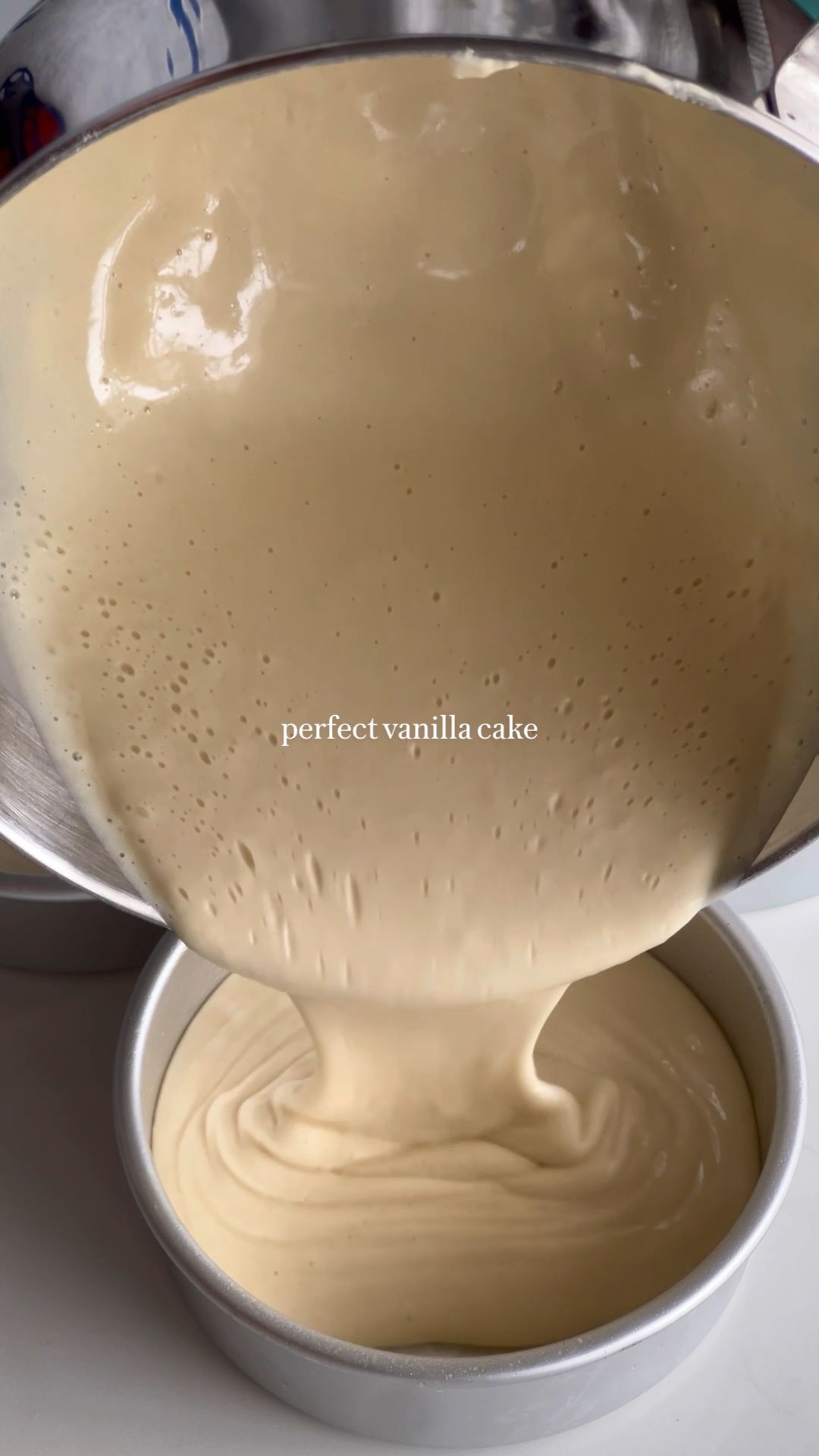
Divide the batter evenly between the prepared pans. Smooth the tops with a spatula. Bake for 30-35 minutes, until the tops are golden brown and a toothpick inserted in the center comes out clean or with a few moist crumbs. The internal temperature should read 210°F (99°C).
7. Cool and Release
Let the cakes cool in the pans on a wire rack for 10 minutes. Then run a knife around the edges, invert onto the rack, remove parchment, and let cool completely before frosting or serving.
Delicious Variations
Lemon Vanilla
Add 1 tbsp lemon zest to the sugar and rub together with your fingers before creaming. Replace 1/4 cup buttermilk with lemon juice for a bright, citrusy twist.
Chocolate Chip Vanilla
Fold in 1 cup (170g) mini chocolate chips into the batter before baking. The chips add bursts of chocolate that complement the vanilla beautifully.
Vanilla Berry Swirl
Gently swirl 1/2 cup of your favorite berry jam (like raspberry or strawberry) into the batter after pouring into pans. Use a knife to create marbled patterns.
How to Store Cake Recipes From Scratch Vanilla
Refrigerator
Once frosted, store in an airtight container in the refrigerator for up to 5 days. Bring to room temperature before serving for best flavor.
Freezer
Wrap unfrosted cake layers tightly in plastic wrap and foil. Freeze for up to 3 months. Thaw overnight in the refrigerator before frosting.
Reheating
For a warm slice, microwave for 10-15 seconds or warm in a 300°F (150°C) oven for 5 minutes.
Frequently Asked Questions
Q: Can I use cake flour instead of all-purpose?
Yes, you can substitute cake flour for a more delicate crumb. Use 2 1/2 cups (280g) cake flour and reduce baking powder to 2 tsp, as cake flour has less protein and may need less leavening.
Q: Why did my cake sink in the middle?
A sunken center usually results from overmixing the batter or opening the oven door too early. Overmixing develops gluten, which can cause the cake to collapse as it cools. Also, avoid opening the oven until the cake is nearly done.
Q: Can I make this cake without buttermilk?
Absolutely. To make a buttermilk substitute, add 1 tablespoon of lemon juice or white vinegar to a measuring cup, then fill with regular milk to the 1-cup line. Let it sit for 5 minutes until it curdles – it will work perfectly.
Q: How do I know when the cake is done?
The cake is done when it's golden brown on top, pulls away from the sides of the pan, and a toothpick inserted into the center comes out clean or with a few moist crumbs. The internal temperature should read around 210°F (99°C).
I hope you enjoy baking this vanilla cake as much as I do. Share your creations with me and your loved ones – there's nothing quite like the joy of homemade cake. Happy baking!
Cake Recipes From Scratch Vanilla
Learn to bake the best vanilla cake from scratch with this easy, foolproof recipe – moist, tender, and perfect for any occasion.
🧂 Ingredients
- 2 1/2 cups (315g) all-purpose flour
- 2 1/2 tsp baking powder
- 1/2 tsp baking soda
- 1/2 tsp salt
- 3/4 cup (170g) unsalted butter, softened
- 1 3/4 cups (350g) granulated sugar
- 3 large eggs, room temperature
- 1/4 cup (60ml) vegetable oil
- 1 tbsp vanilla bean paste (or 2 tsp vanilla extract)
- 1 cup (240ml) buttermilk, room temperature
📋 Instructions
- 1Preheat and Prepare — Preheat your oven to 350°F (175°C). Grease two 9-inch round cake pans with butter or nonstick spray, then line the bottoms with parchment paper circles. This ensures easy release and clean edges.
- 2Whisk Dry Ingredients — In a medium bowl, whisk together the flour, baking powder, baking soda, and salt. Set aside. This distributes the leaveners evenly, ensuring a consistent rise.
- 3Cream Butter and Sugar — In a large bowl using a hand or stand mixer, beat the softened butter and sugar on medium-high speed for 3-4 minutes until light and fluffy, scraping down the sides as needed. This incorporates air, giving the cake its structure.
- 4Add Eggs and Vanilla — Beat in the eggs one at a time, making sure each is fully incorporated before adding the next. Then mix in the vanilla bean paste (or extract) and oil until combined. The batter may look slightly curdled – that's normal.
- 5Alternate Add Dry and Buttermilk — With the mixer on low, add the flour mixture in three additions, alternating with the buttermilk, starting and ending with flour. Mix just until combined after each addition. Do not overmix; a few streaks are okay.
- 6Divide and Bake — Divide the batter evenly between the prepared pans. Smooth the tops with a spatula. Bake for 30-35 minutes, until the tops are golden brown and a toothpick inserted in the center comes out clean or with a few moist crumbs. The internal temperature should read 210°F (99°C).
- 7Cool and Release — Let the cakes cool in the pans on a wire rack for 10 minutes. Then run a knife around the edges, invert onto the rack, remove parchment, and let cool completely before frosting or serving.

Jonas writes about home renovation and woodworking, focusing on DIY projects that are achievable for beginners. He emphasizes careful planning and using simple tools to create lasting results.