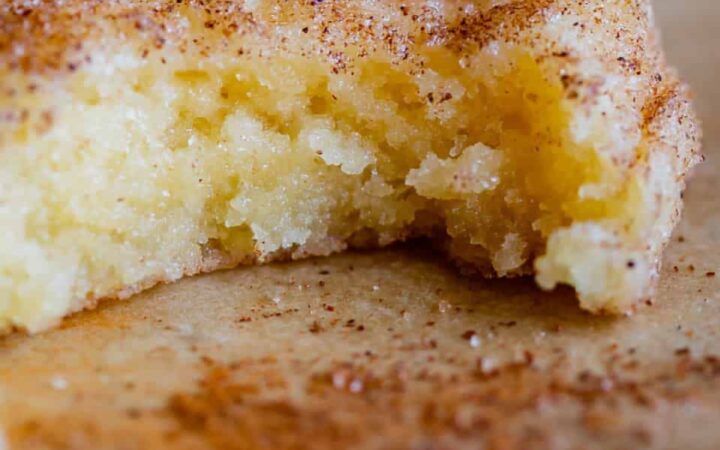

Welcome to a world where baking doesn't revolve around chocolate. This recipe for a classic Sunshine Citrus Cake is a testament to the beauty of simple, bright flavors. It's the kind of cake that fills your kitchen with the aroma of fresh lemons and warm butter, promising a treat that's both comforting and refreshing.
Advertisements1
I've designed this recipe to be foolproof, with precise measurements and detailed steps. Whether you're a seasoned baker or just starting out, you'll find joy in creating this moist, tender cake that's perfect for afternoon tea, brunch, or a simple dessert. The secret lies in the technique—creaming the butter and sugar until light and fluffy, and folding the dry ingredients gently to keep the crumb airy.
So, let's roll up our sleeves and bake something wonderful. No chocolate required, just pure, sunny delight.
Why You'll Love This Recipe
About the Ingredients
1 ½ cups (190g) all-purpose flour
Provides structure. For a lighter texture, you can substitute ½ cup with cake flour.
1 ½ teaspoons baking powder
Helps the cake rise. Make sure it's fresh for best results.
½ teaspoon salt
Balances sweetness and enhances flavor. Use fine sea salt.
½ cup (1 stick, 113g) unsalted butter, softened
Butter adds richness. If using salted butter, omit the added salt.
1 cup (200g) granulated sugar
Sweetens and helps with browning. You can reduce to ¾ cup for a less sweet cake.
2 large eggs, room temperature
Bind ingredients and add moisture. Room temperature eggs incorporate better.
½ cup (120ml) whole milk, room temperature
Adds moisture. You can use buttermilk for a tangier flavor.
2 tablespoons fresh lemon zest (from about 2 lemons)
Provides bright citrus flavor. If you don't have lemons, use orange zest.
2 tablespoons fresh lemon juice
Adds tartness and activates baking powder. Bottled juice works in a pinch.
1 teaspoon vanilla extract
Enhances overall flavor. Use pure vanilla for best taste.
Powdered sugar for dusting (optional)
For a pretty finish. You can also make a simple glaze with lemon juice and powdered sugar.
Tips & Tricks
Room Temperature Matters
Bring butter, eggs, and milk to room temperature before starting. This ensures a smooth, emulsified batter that rises evenly.
Don't Overmix
Once you add the dry ingredients, mix just until combined. Overmixing develops gluten, resulting in a dense, tough cake.
Check Doneness Properly
Insert a toothpick into the center; it should come out clean or with a few moist crumbs. The cake should also spring back when lightly pressed.
Pro Tips
Step-by-Step Instructions
1. Preheat and Prep
Preheat your oven to 350°F (175°C). Grease a 9×5-inch loaf pan or line it with parchment paper. This ensures easy removal.
2. Mix Dry Ingredients
In a medium bowl, whisk together the flour, baking powder, and salt. Set aside. This distributes the leavening evenly.
3. Cream Butter and Sugar
In a large bowl, beat the softened butter and sugar with an electric mixer on medium-high until pale and fluffy, about 3-4 minutes. Scrape down the sides as needed. This incorporates air for a light texture.
4. Add Eggs and Flavorings
Beat in the eggs one at a time, mixing well after each addition. Add the lemon zest, lemon juice, and vanilla extract; mix until combined. The batter may look slightly curdled—that's okay.
5. Alternate Dry and Wet
With the mixer on low, add the flour mixture in three additions, alternating with the milk, starting and ending with the flour. Mix just until combined after each addition. Do not overmix.
6. Bake the Cake
Pour the batter into the prepared loaf pan and smooth the top. Bake for 35-40 minutes, or until a toothpick inserted into the center comes out clean and the top is golden brown. The internal temperature should read 200°F (93°C) when done.
7. Cool and Serve
Let the cake cool in the pan for 10 minutes, then transfer to a wire rack to cool completely. Dust with powdered sugar before slicing, if desired.
Delicious Variations
Lemon-Poppy Seed
Add 2 tablespoons of poppy seeds to the dry ingredients for a classic twist.
Orange-Glazed
Replace lemon zest and juice with orange, and top with a simple orange glaze (1 cup powdered sugar + 2 tbsp orange juice).
Berry Swirl
Gently fold 1 cup of fresh blueberries or raspberries into the batter before baking.
How to Store Baking Recipes No Chocolate
Refrigerator
Store in an airtight container at room temperature for up to 3 days, or in the refrigerator for up to 5 days.
Freezer
Wrap the cooled cake tightly in plastic wrap and then foil. Freeze for up to 3 months. Thaw overnight in the refrigerator before serving.
Reheating
To refresh, warm slices in a 300°F (150°C) oven for 5-7 minutes or microwave for 15 seconds.
Frequently Asked Questions
Q: Can I use olive oil instead of butter?
Yes, you can substitute olive oil for butter, but use ⅓ cup (80ml) of oil for every ½ cup (113g) of butter, and reduce the milk by 2 tablespoons to adjust the liquid ratio. The texture will be moister and the flavor slightly fruity.
Q: Why did my cake sink in the middle?
A sunken center usually means the cake was underbaked or the oven door was opened too early. Ensure the oven is fully preheated and avoid opening the door during the first 20 minutes of baking.
Q: Can I make this cake gluten-free?
Yes, substitute the all-purpose flour with a 1:1 gluten-free baking blend. Add ½ teaspoon of xanthan gum if your blend doesn't include it, and ensure all other ingredients are gluten-free.
Q: How do I know when the cake is done?
Insert a toothpick into the center; it should come out clean or with a few moist crumbs. The edges will pull away from the pan, and the top will be golden brown. An instant-read thermometer should read 200°F (93°C) in the center.
I hope you enjoy this chocolate-free baking adventure! Share your creation with me in the comments below, and don't forget to tag me in your photos on social media. Happy baking!

Baking Recipes No Chocolate
Baking Recipes No Chocolate offers a buttery, citrus-kissed cake with a golden crust and tender crumb—perfect for any occasion.
🧂 Ingredients
- 1 ½ cups (190g) all-purpose flour
- 1 ½ teaspoons baking powder
- ½ teaspoon salt
- ½ cup (1 stick, 113g) unsalted butter, softened
- 1 cup (200g) granulated sugar
- 2 large eggs, room temperature
- ½ cup (120ml) whole milk, room temperature
- 2 tablespoons fresh lemon zest (from about 2 lemons)
- 2 tablespoons fresh lemon juice
- 1 teaspoon vanilla extract
- Powdered sugar for dusting (optional)
📋 Instructions
- 1Preheat and Prep — Preheat your oven to 350°F (175°C). Grease a 9×5-inch loaf pan or line it with parchment paper. This ensures easy removal.
- 2Mix Dry Ingredients — In a medium bowl, whisk together the flour, baking powder, and salt. Set aside. This distributes the leavening evenly.
- 3Cream Butter and Sugar — In a large bowl, beat the softened butter and sugar with an electric mixer on medium-high until pale and fluffy, about 3-4 minutes. Scrape down the sides as needed. This incorporates air for a light texture.
- 4Add Eggs and Flavorings — Beat in the eggs one at a time, mixing well after each addition. Add the lemon zest, lemon juice, and vanilla extract; mix until combined. The batter may look slightly curdled—that's okay.
- 5Alternate Dry and Wet — With the mixer on low, add the flour mixture in three additions, alternating with the milk, starting and ending with the flour. Mix just until combined after each addition. Do not overmix.
- 6Bake the Cake — Pour the batter into the prepared loaf pan and smooth the top. Bake for 35-40 minutes, or until a toothpick inserted into the center comes out clean and the top is golden brown. The internal temperature should read 200°F (93°C) when done.
- 7Cool and Serve — Let the cake cool in the pan for 10 minutes, then transfer to a wire rack to cool completely. Dust with powdered sugar before slicing, if desired.