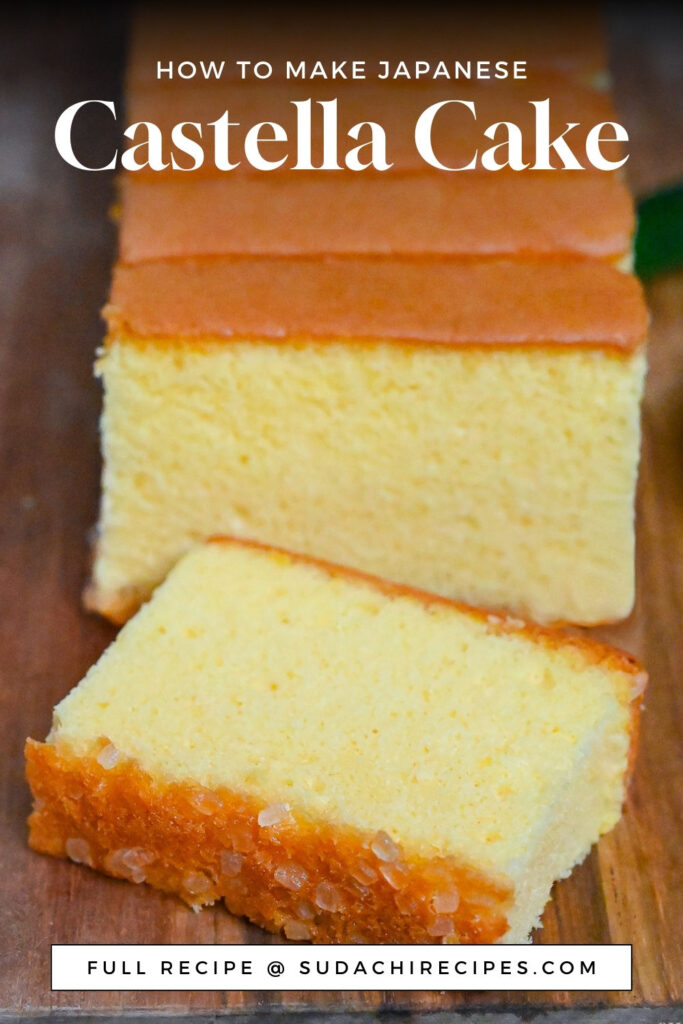
I remember the first time I bit into a slice of castella in a tiny Nagasaki bakery. The sponge was so tender it practically dissolved on my tongue, leaving a whisper of honey and that signature golden crust. I knew I had to crack that texture at home.
Advertisements1
This Japanese castella cake recipe is my no-nonsense approach to that cloud-like crumb. We're talking egg whites whipped to stiff peaks, folded into a rich yolk batter, and baked low and slow to get that dense yet springy texture. No fancy equipment, just a stand mixer and a box.
The secret? It's all in the folding and the gentle heat. Get those two right, and you'll pull a glossy, brown-topped loaf that slices clean and tastes like a patisserie. Let's get to it.
Why You'll Love This Recipe
About the Ingredients
6 large eggs, separated (room temperature)
Separate carefully; no yolk in whites or they won't whip. Room temp eggs give more volume.
1 cup (200g) granulated sugar
Fine sugar dissolves faster. You can use caster sugar for an even smoother texture.
1 cup (120g) bread flour, sifted twice
High protein helps the structure. All-purpose works but gives a slightly less chewy crumb.
3 tablespoons (60g) honey
Use a mild honey like acacia or clover. Strong honey can overpower.
3 tablespoons (45ml) whole milk
Whole milk adds richness. You can substitute with water or soy milk.
1/2 teaspoon salt
Balances sweetness and strengthens the egg foam.
1/4 teaspoon cream of tartar (optional)
Stabilizes the whites if you don't have a copper bowl. Vinegar or lemon juice works too.
Tips & Tricks
- Use a wooden skewer to test doneness – it should come out clean with no wet batter, but the top will still be pale.
- After baking, invert the cake onto a cooling rack and let it cool completely in the tin to prevent sinking.
- Wrap the cooled cake in plastic wrap and rest overnight before slicing – this improves the texture and flavor.
Pro Tips
Step-by-Step Instructions
1. Prep the Pan
Preheat oven to 320°F (160°C). Line a 9×5-inch loaf pan with parchment paper, leaving overhang on two sides for easy lifting.
2. Whip the Whites
In a clean bowl, beat egg whites with cream of tartar until foamy. Gradually add half the sugar (1/2 cup) and beat until stiff, glossy peaks form. Set aside.
3. Mix the Yolks
In another bowl, whisk egg yolks with remaining 1/2 cup sugar until pale and thick. Add honey and milk, whisk until combined.
4. Incorporate Flour
Sift bread flour over the yolk mixture and fold until just combined – no dry streaks.
5. Fold in Whites
Add one-third of the meringue to the yolk mixture and fold gently to lighten. Then fold in the remaining meringue in two additions, taking care not to deflate.
6. Pour and Tap
Pour batter into the prepared pan. Tap the pan on the counter a few times to release air bubbles.
7. Bake Low and Slow
Bake for 60-70 minutes until the top springs back when lightly touched and a skewer comes out clean. The cake will be pale golden brown.
8. Cool Inverted
Immediately invert the cake in the pan onto a wire rack. Let cool completely in the pan to prevent sinking. Then lift out and enjoy.
Delicious Variations
Matcha Castella
Replace 1 tablespoon of bread flour with matcha powder and sift together.
Chocolate Castella
Add 2 tablespoons cocoa powder and reduce flour by 2 tablespoons.
Brown Sugar Castella
Substitute half the white sugar with light brown sugar for a deeper flavor.
How to Store Castella Cake Recipe Japanese
Refrigerator
Wrap tightly in plastic wrap and store in the fridge for up to 5 days. Bring to room temperature before serving.
Freezer
Wrap slices individually and freeze for up to 3 months. Thaw in the fridge overnight.
Reheating
Castella is best at room temperature. If you want it warm, microwave a slice for 10 seconds.
Frequently Asked Questions
Q: Why is my castella cake dense or not fluffy?
The most common cause is overmixing the batter after adding flour or deflating the egg whites during folding. Fold gently until just combined, and make sure your meringue is stiff but not dry.
Q: Can I make castella cake without bread flour?
Yes, you can use all-purpose flour, but the texture will be slightly less chewy and more cake-like. Bread flour's higher protein content gives castella its characteristic springy crumb.
Q: How do I prevent the top from cracking?
Cracks often happen if the oven is too hot or the batter is overmixed. Bake at a low temperature (320°F/160°C) and avoid opening the oven door during baking.
Q: Why does my castella sink in the middle after baking?
Sinking usually occurs if the cake is underbaked or cooled too quickly. Bake until a skewer comes out clean, then invert the pan immediately and cool completely in the pan.
If you've been intimidated by castella, give this a go. It's forgiving and the payoff is huge. Bake one, slice it thin, and serve with a pot of sencha. You'll see why it's been loved for centuries. Keep exploring.
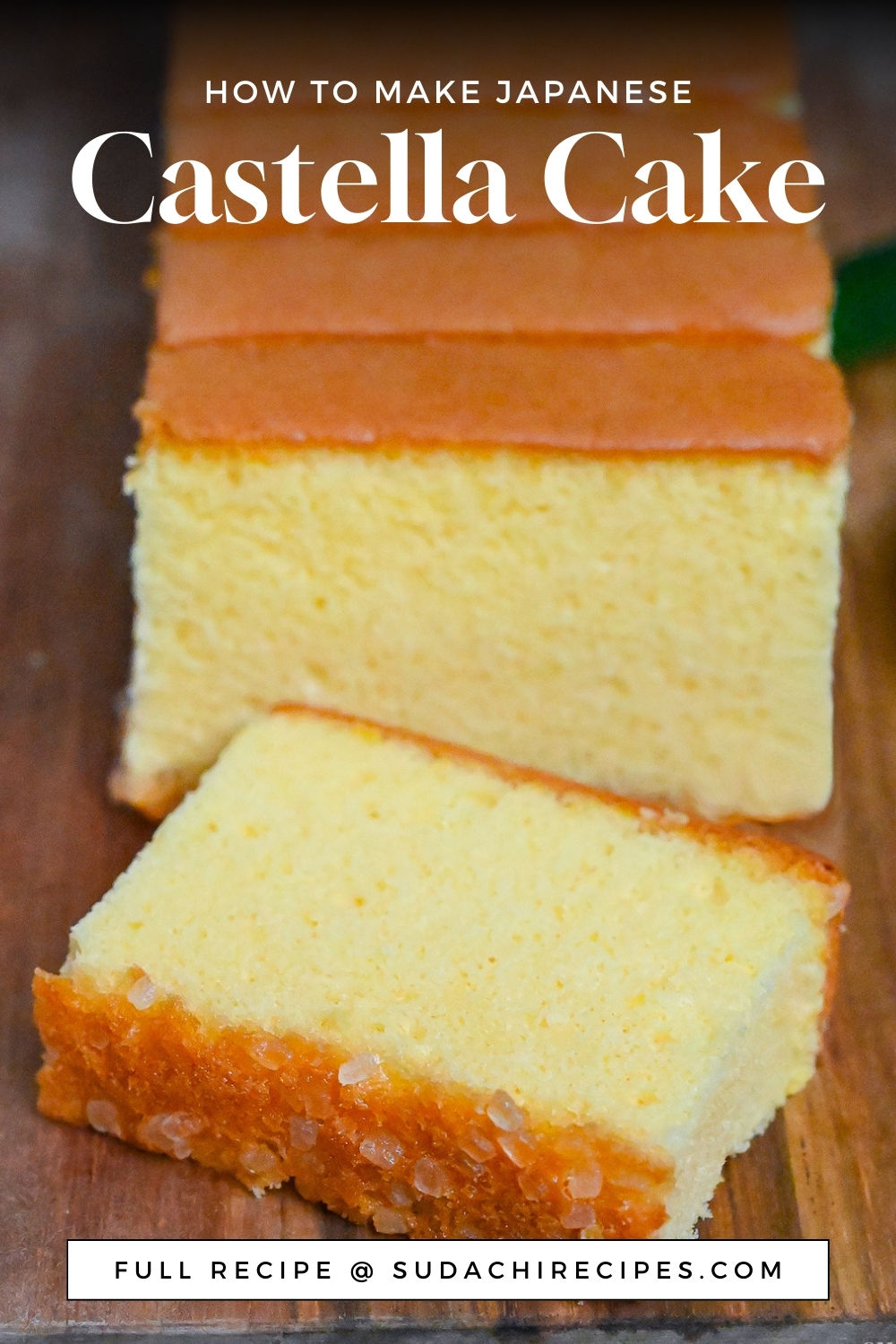
Castella Cake Recipe Japanese
Make an authentic Japanese Castella cake with a tender crumb and honey sweetness. This easy recipe yields a moist, fluffy loaf perfect for tea.
🧂 Ingredients
- 6 large eggs, separated (room temperature)
- 1 cup (200g) granulated sugar
- 1 cup (120g) bread flour, sifted twice
- 3 tablespoons (60g) honey
- 3 tablespoons (45ml) whole milk
- 1/2 teaspoon salt
- 1/4 teaspoon cream of tartar (optional)
📋 Instructions
- 1Prep the Pan — Preheat oven to 320°F (160°C). Line a 9×5-inch loaf pan with parchment paper, leaving overhang on two sides for easy lifting.
- 2Whip the Whites — In a clean bowl, beat egg whites with cream of tartar until foamy. Gradually add half the sugar (1/2 cup) and beat until stiff, glossy peaks form. Set aside.
- 3Mix the Yolks — In another bowl, whisk egg yolks with remaining 1/2 cup sugar until pale and thick. Add honey and milk, whisk until combined.
- 4Incorporate Flour — Sift bread flour over the yolk mixture and fold until just combined – no dry streaks.
- 5Fold in Whites — Add one-third of the meringue to the yolk mixture and fold gently to lighten. Then fold in the remaining meringue in two additions, taking care not to deflate.
- 6Pour and Tap — Pour batter into the prepared pan. Tap the pan on the counter a few times to release air bubbles.
- 7Bake Low and Slow — Bake for 60-70 minutes until the top springs back when lightly touched and a skewer comes out clean. The cake will be pale golden brown.
- 8Cool Inverted — Immediately invert the cake in the pan onto a wire rack. Let cool completely in the pan to prevent sinking. Then lift out and enjoy.

Liam covers outdoor adventure and gear reviews, with a focus on ultralight backpacking and wilderness survival. He writes from personal trial and error, emphasizing safety and practical experience.