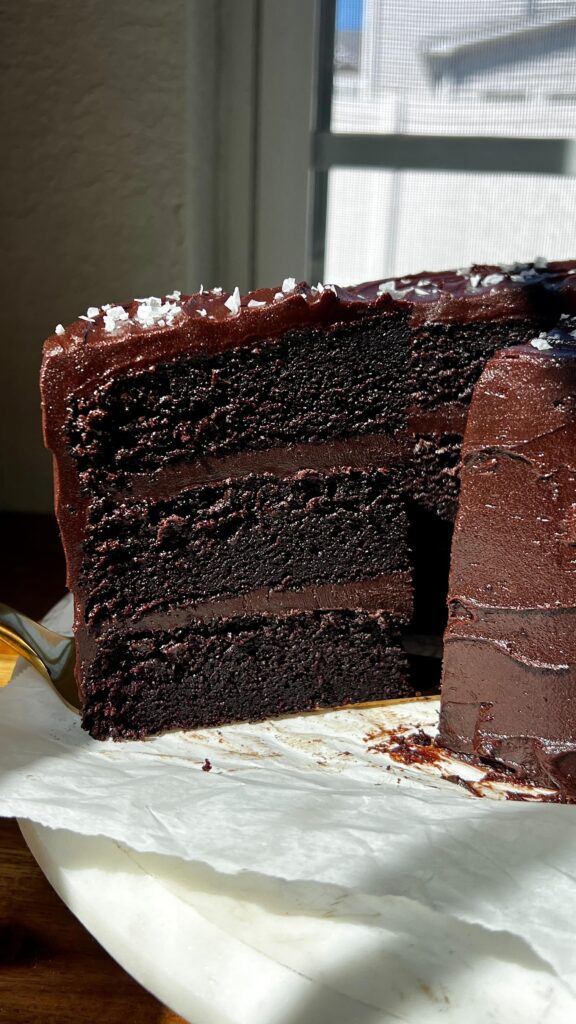
Welcome to my kitchen! Today, I'm sharing my take on the classic Dominican Chocolate Cake, known as 'Bizcocho Dominicano de Chocolate'. This cake is a staple at birthdays and gatherings across the Dominican Republic, and for good reason – it's incredibly moist, deeply chocolatey, and has a subtle warmth from cinnamon and vanilla that sets it apart from your average chocolate cake.
Advertisements1
What I love about this recipe is its simplicity. It uses basic pantry ingredients but delivers a bakery-quality result. The key is in the technique – creaming the butter and sugar properly, alternating dry and liquid ingredients, and not overbaking. I'll guide you through each step, so you can achieve a perfect, tender crumb every time.
Whether you're celebrating a special occasion or just craving a slice of homemade chocolate goodness, this cake is sure to impress. Let's get started!
Why You'll Love This Recipe
About the Ingredients
2 cups (250g) all-purpose flour
Provides structure. For a lighter texture, you can substitute 1 cup with cake flour.
3/4 cup (75g) unsweetened cocoa powder
Use high-quality Dutch-processed for a deeper flavor, or natural for a more classic taste.
1 1/2 teaspoons baking powder
Helps the cake rise. Ensure it's fresh for best results.
1/2 teaspoon baking soda
Reacts with buttermilk for extra lift and tenderness.
1 teaspoon ground cinnamon
A signature spice in Dominican baking. Add an extra pinch if you love cinnamon.
1/2 teaspoon salt
Balances sweetness and enhances chocolate flavor.
1 cup (2 sticks, 226g) unsalted butter, softened
For creaming. If using salted butter, reduce added salt to 1/4 teaspoon.
1 3/4 cups (350g) granulated sugar
Sweetens and helps create a tender crumb. You can reduce to 1 1/2 cups if you prefer less sweet.
3 large eggs, at room temperature
Room temperature eggs emulsify better, creating a smoother batter.
2 teaspoons vanilla extract
Use pure vanilla for the best flavor. You can also use Dominican vanilla if available.
1 cup (240ml) buttermilk, at room temperature
Adds moisture and acidity. No buttermilk? Mix 1 cup milk with 1 tablespoon lemon juice, let sit 5 minutes.
1/2 cup (120ml) vegetable oil
Adds extra moisture and ensures a soft crumb. Any neutral oil works.
Tips & Tricks
- All ingredients should be at room temperature for even mixing and a better rise.
- Don't overmix the batter once you add the flour – mix until just combined to avoid a tough cake.
- Use a kitchen scale for accuracy if possible, especially for flour and cocoa.
- Check for doneness at the minimum time – a toothpick inserted should come out with a few moist crumbs, not wet batter.
Pro Tips
Step-by-Step Instructions
1. Preheat and Prep Pans
Preheat your oven to 350°F (175°C). Grease and flour two 9-inch round cake pans, or line with parchment paper. This ensures the cakes release easily.
2. Whisk Dry Ingredients
In a medium bowl, whisk together the flour, cocoa powder, baking powder, baking soda, cinnamon, and salt. Set aside. This evenly distributes the leaveners and spices.
3. Cream Butter and Sugar
In a large bowl, using an electric mixer, beat the softened butter and sugar together on medium speed for 3-5 minutes, until pale and fluffy. Scrape down the sides as needed. This creates air pockets for a tender crumb.
4. Add Eggs and Vanilla
Add the eggs one at a time, beating well after each addition. Then beat in the vanilla extract. The mixture should look smooth and glossy.
5. Combine Wet Ingredients
In a separate bowl or measuring cup, stir together the buttermilk and vegetable oil. This mixture will be added alternately with the dry ingredients.
6. Alternate Dry and Wet
With the mixer on low speed, add one-third of the dry ingredients, then half of the buttermilk mixture, mixing until just combined. Repeat, ending with the dry ingredients. Do not overmix – stop as soon as no streaks of flour remain.
7. Divide and Bake
Divide the batter evenly between the prepared pans. Smooth the tops with a spatula. Bake for 30-35 minutes, or until a toothpick inserted in the center comes out with a few moist crumbs. The cake should pull away from the edges slightly.
8. Cool and Frost
Let the cakes cool in the pans on a wire rack for 10 minutes, then turn them out to cool completely. Once cool, frost with your favorite chocolate or cream cheese frosting.
Delicious Variations
- Add 1/2 cup of chocolate chips or chopped nuts to the batter for extra texture.
- For a mocha twist, dissolve 1 tablespoon of instant coffee in the buttermilk before adding.
- Use this batter to make cupcakes – bake for 18-22 minutes at 350°F (175°C).
How to Store Dominican Chocolate Cake
Refrigerator
Store the frosted cake in an airtight container in the refrigerator for up to 5 days. Bring to room temperature before serving for best flavor.
Freezer
Wrap unfrosted cake layers tightly in plastic wrap and foil, then freeze for up to 3 months. Thaw overnight in the refrigerator before frosting.
Reheating
To enjoy a warm slice, microwave a piece for 10-15 seconds, or heat in a 300°F (150°C) oven for 5-7 minutes.
Frequently Asked Questions
Q: Can I make this Dominican Chocolate Cake without buttermilk?
Yes, you can substitute buttermilk with a simple DIY version: mix 1 cup of milk with 1 tablespoon of lemon juice or white vinegar, let it sit for 5-10 minutes until slightly thickened. This will provide the same acidity and moisture.
Q: Why did my cake sink in the middle?
A sinking cake is often due to underbaking or opening the oven door too early. Make sure your oven is at the correct temperature, and avoid opening the door until the minimum baking time has passed. Also, ensure your baking powder is fresh.
Q: Can I use Dutch-processed cocoa instead of natural cocoa?
Yes, you can use Dutch-processed cocoa, but note that it is less acidic. Since this recipe uses baking soda (which needs acid), you may need to add a little extra acid, such as 1/2 teaspoon of vinegar or lemon juice, to ensure proper rising.
Q: How do I know when the cake is done?
Insert a toothpick into the center of the cake. If it comes out with a few moist crumbs, it's done. The cake should also pull away slightly from the edges of the pan, and the top should spring back when lightly pressed.
I hope you enjoy this Dominican Chocolate Cake as much as my family does! If you try it, leave a comment below and let me know how it turned out. Happy baking!
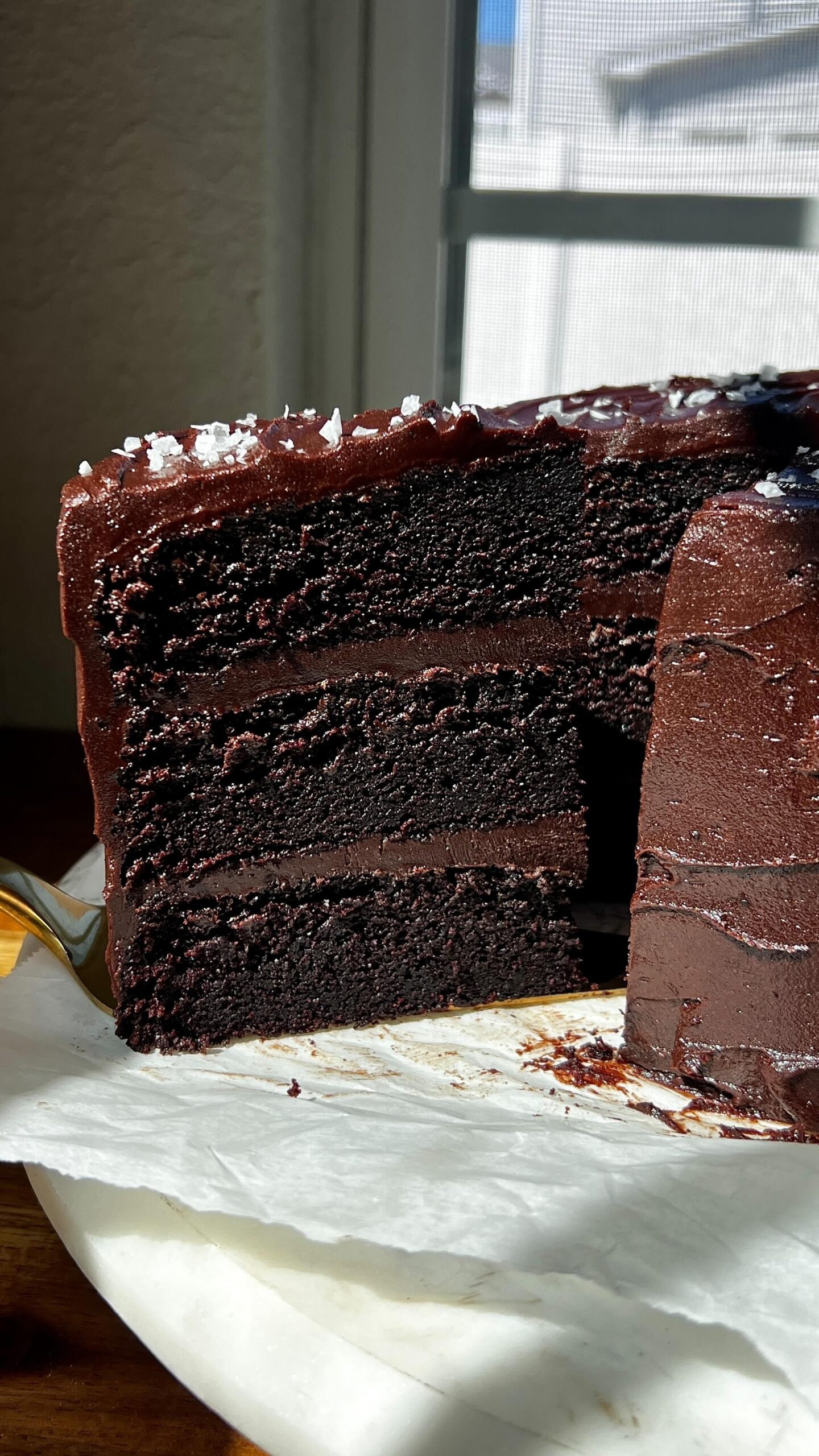
Dominican Chocolate Cake
This Dominican Chocolate Cake is a moist, rich, and spiced cocoa cake that's perfect for any celebration. Easy to make with simple ingredients!
🧂 Ingredients
- 2 cups (250g) all-purpose flour
- 3/4 cup (75g) unsweetened cocoa powder
- 1 1/2 teaspoons baking powder
- 1/2 teaspoon baking soda
- 1 teaspoon ground cinnamon
- 1/2 teaspoon salt
- 1 cup (2 sticks, 226g) unsalted butter, softened
- 1 3/4 cups (350g) granulated sugar
- 3 large eggs, at room temperature
- 2 teaspoons vanilla extract
- 1 cup (240ml) buttermilk, at room temperature
- 1/2 cup (120ml) vegetable oil
📋 Instructions
- 1Preheat and Prep Pans — Preheat your oven to 350°F (175°C). Grease and flour two 9-inch round cake pans, or line with parchment paper. This ensures the cakes release easily.
- 2Whisk Dry Ingredients — In a medium bowl, whisk together the flour, cocoa powder, baking powder, baking soda, cinnamon, and salt. Set aside. This evenly distributes the leaveners and spices.
- 3Cream Butter and Sugar — In a large bowl, using an electric mixer, beat the softened butter and sugar together on medium speed for 3-5 minutes, until pale and fluffy. Scrape down the sides as needed. This creates air pockets for a tender crumb.
- 4Add Eggs and Vanilla — Add the eggs one at a time, beating well after each addition. Then beat in the vanilla extract. The mixture should look smooth and glossy.
- 5Combine Wet Ingredients — In a separate bowl or measuring cup, stir together the buttermilk and vegetable oil. This mixture will be added alternately with the dry ingredients.
- 6Alternate Dry and Wet — With the mixer on low speed, add one-third of the dry ingredients, then half of the buttermilk mixture, mixing until just combined. Repeat, ending with the dry ingredients. Do not overmix – stop as soon as no streaks of flour remain.
- 7Divide and Bake — Divide the batter evenly between the prepared pans. Smooth the tops with a spatula. Bake for 30-35 minutes, or until a toothpick inserted in the center comes out with a few moist crumbs. The cake should pull away from the edges slightly.
- 8Cool and Frost — Let the cakes cool in the pans on a wire rack for 10 minutes, then turn them out to cool completely. Once cool, frost with your favorite chocolate or cream cheese frosting.

Jonas writes about home renovation and woodworking, focusing on DIY projects that are achievable for beginners. He emphasizes careful planning and using simple tools to create lasting results.