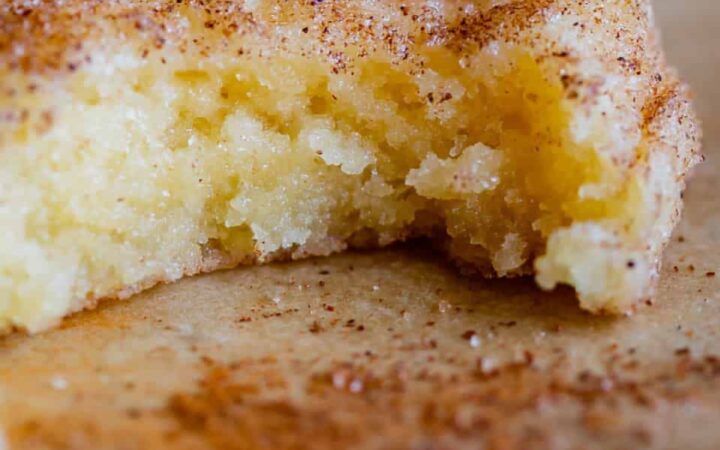
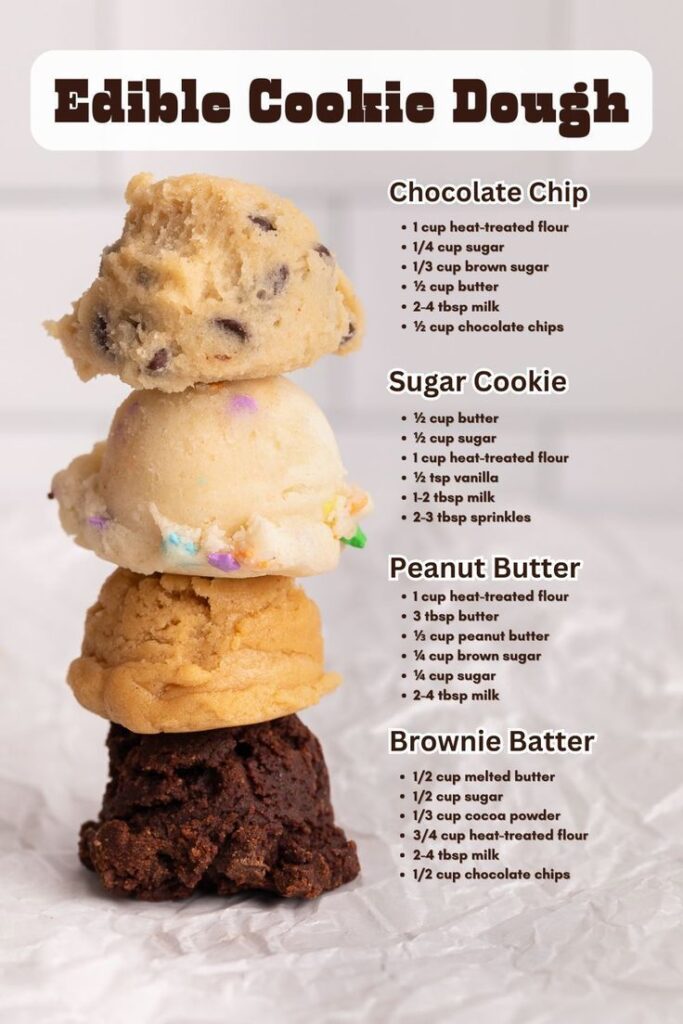
Welcome to my kitchen, where precision meets indulgence. Today, we're crafting the ultimate cookie dough—a master recipe that serves as both a delightful bake and a safe, egg-free treat. Whether you're a seasoned baker or a curious novice, this guide will walk you through every step with the meticulous care it deserves.
Advertisements1
What sets this cookie dough apart is its adaptability. With a few simple tweaks, you can transform it into classic chocolate chip cookies, a no-bake edible dough, or even a gluten-free version. The key is in the technique: properly creaming the butter and sugar, measuring flour correctly, and knowing when to stop mixing. Let's dive in and create something truly memorable.
Why You'll Love This Recipe
About the Ingredients
1 cup (226g) unsalted butter, softened
Use high-quality butter for best flavor. For a dairy-free option, substitute with vegan butter sticks.
3/4 cup (150g) granulated sugar
White sugar adds sweetness and helps create a crispy edge. You can use coconut sugar for a deeper flavor.
3/4 cup (165g) packed brown sugar
Brown sugar adds moisture and chewiness. For a lighter version, use half brown and half white.
2 teaspoons vanilla extract
Pure vanilla extract is best; if using imitation, reduce to 1 teaspoon. You can also scrape a vanilla bean for a more intense flavor.
1/4 cup (60ml) milk (any kind)
Milk replaces eggs to bind the dough. Use almond or oat milk for a dairy-free version.
2 cups (250g) all-purpose flour
Measure by spooning into the cup and leveling off. For gluten-free, use a 1:1 gluten-free flour blend.
1 teaspoon baking soda
Baking soda helps the cookies spread and become golden. Check freshness by mixing a bit with vinegar—it should fizz.
1/2 teaspoon salt
Fine sea salt is ideal. If using kosher salt, increase to 3/4 teaspoon.
1 cup (180g) semi-sweet chocolate chips
Use good-quality chips or chop a chocolate bar for pools of chocolate. For white chocolate, swap in 1:1.
Tips & Tricks
Don't overmix the dough
Once you add the flour, mix just until combined. Overmixing develops gluten, making cookies tough.
Chill the dough
If you have time, chill the dough for at least 30 minutes before baking. This solidifies the fat, preventing excessive spreading and enhancing flavor.
Use a cookie scoop
For uniform cookies, use a 1.5-tablespoon scoop. This ensures even baking and consistent size.
Check your baking soda
If your cookies don't spread, your baking soda may be old. Test it in vinegar—it should bubble vigorously.
Pro Tips
Step-by-Step Instructions
1. Preheat and Prep
Preheat your oven to 350°F (175°C). Line two baking sheets with parchment paper or silicone mats. This ensures even heat distribution and prevents sticking.
2. Cream Butter and Sugars
In a large bowl, beat the softened butter, granulated sugar, and brown sugar together with an electric mixer on medium speed until light and fluffy, about 2-3 minutes. Scrape down the sides as needed. This incorporates air, making the cookies tender.
3. Add Vanilla and Milk
Add the vanilla extract and milk to the butter mixture. Beat on low speed until just combined. The mixture may look slightly curdled, but that's fine; it will come together with the dry ingredients.
4. Combine Dry Ingredients
In a separate bowl, whisk together the flour, baking soda, and salt. This ensures the leavening agent is evenly distributed, preventing pockets of soda that taste bitter.
5. Mix Dry into Wet
Gradually add the dry ingredients to the wet mixture, mixing on low speed until just combined. Do not overmix; stop when there are no visible streaks of flour.
6. Fold in Chocolate Chips
Use a spatula to gently fold in the chocolate chips until they are evenly distributed. This prevents the chips from breaking and spreading their color.
7. Scoop and Arrange
Use a cookie scoop or tablespoon to drop rounded mounds of dough onto the prepared baking sheets, spacing them about 2 inches apart. This allows room for spreading.
8. Bake to Golden Perfection
Bake at 350°F (175°C) for 10-12 minutes, or until the edges are golden brown and the centers are still slightly soft. The cookies will continue to set as they cool. For a chewier texture, bake for 10 minutes; for crisper, 12.
9. Cool and Serve
Allow the cookies to cool on the baking sheet for 5 minutes before transferring to a wire rack to cool completely. This helps them set without breaking.
Delicious Variations
Double Chocolate
Replace 1/4 cup of flour with 1/4 cup unsweetened cocoa powder and use white chocolate chips.
Nutty Delight
Add 1/2 cup chopped walnuts or pecans along with the chocolate chips.
Gluten-Free
Use a 1:1 gluten-free flour blend and add 1/4 teaspoon xanthan gum if the blend doesn't include it.
How to Store Recipes For Cookie Dough
Refrigerator
Store baked cookies in an airtight container at room temperature for up to 1 week. For raw dough, wrap tightly and refrigerate for up to 3 days.
Freezer
Freeze unbaked dough balls on a baking sheet until solid, then transfer to a zip-top bag for up to 3 months. Bake from frozen, adding 1-2 minutes to the baking time.
Reheating
To reheat baked cookies, place on a baking sheet in a 300°F (150°C) oven for 5 minutes. For a quick treat, microwave for 10-15 seconds.
Frequently Asked Questions
Q: Can I eat this cookie dough raw?
Yes, this recipe is egg-free and uses heat-treated flour (if you toast the flour beforehand), making it safe to eat raw. However, for absolute safety, you can toast the flour in the oven at 350°F (175°C) for 5 minutes to kill any bacteria.
Q: Why did my cookies spread too much?
Cookies spread too much if the butter is too soft or the dough is too warm. Chill the dough for at least 30 minutes before baking, and ensure your butter is at room temperature, not melted.
Q: Can I use this dough for ice cream?
Absolutely! This dough is perfect for mixing into ice cream. Simply chop it into small pieces and fold into softened ice cream, then freeze. The dough stays soft, so it won't become rock hard.
Q: How do I make these cookies gluten-free?
Substitute the all-purpose flour with a 1:1 gluten-free baking flour blend. Add 1/4 teaspoon xanthan gum if your blend doesn't already contain it. The texture will be slightly different but still delicious.
I hope you enjoy this versatile cookie dough as much as I do. If you try it, let me know in the comments below—I'd love to hear about your favorite mix-ins! And remember, measure twice, cut once.
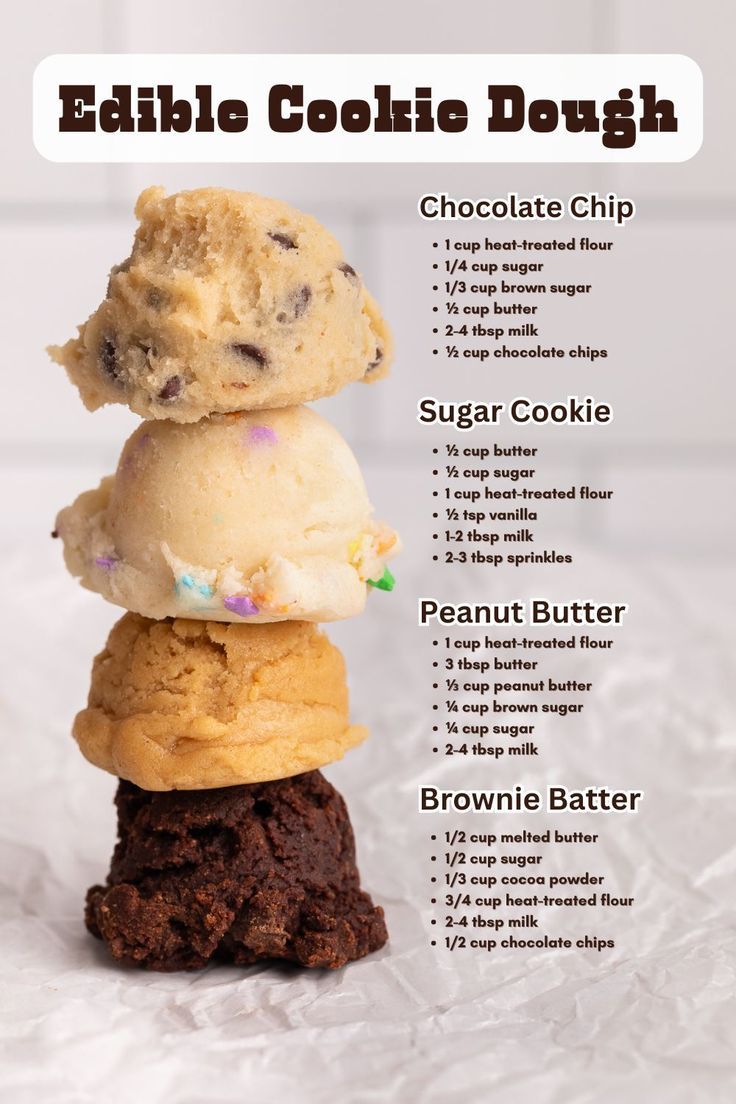
Recipes For Cookie Dough
Recipes For Cookie Dough: a versatile, egg-free dough that bakes into perfectly chewy cookies or can be enjoyed as a safe-to-eat treat.
🧂 Ingredients
- 1 cup (226g) unsalted butter, softened
- 3/4 cup (150g) granulated sugar
- 3/4 cup (165g) packed brown sugar
- 2 teaspoons vanilla extract
- 1/4 cup (60ml) milk (any kind)
- 2 cups (250g) all-purpose flour
- 1 teaspoon baking soda
- 1/2 teaspoon salt
- 1 cup (180g) semi-sweet chocolate chips
📋 Instructions
- 1Preheat and Prep — Preheat your oven to 350°F (175°C). Line two baking sheets with parchment paper or silicone mats. This ensures even heat distribution and prevents sticking.
- 2Cream Butter and Sugars — In a large bowl, beat the softened butter, granulated sugar, and brown sugar together with an electric mixer on medium speed until light and fluffy, about 2-3 minutes. Scrape down the sides as needed. This incorporates air, making the cookies tender.
- 3Add Vanilla and Milk — Add the vanilla extract and milk to the butter mixture. Beat on low speed until just combined. The mixture may look slightly curdled, but that's fine; it will come together with the dry ingredients.
- 4Combine Dry Ingredients — In a separate bowl, whisk together the flour, baking soda, and salt. This ensures the leavening agent is evenly distributed, preventing pockets of soda that taste bitter.
- 5Mix Dry into Wet — Gradually add the dry ingredients to the wet mixture, mixing on low speed until just combined. Do not overmix; stop when there are no visible streaks of flour.
- 6Fold in Chocolate Chips — Use a spatula to gently fold in the chocolate chips until they are evenly distributed. This prevents the chips from breaking and spreading their color.
- 7Scoop and Arrange — Use a cookie scoop or tablespoon to drop rounded mounds of dough onto the prepared baking sheets, spacing them about 2 inches apart. This allows room for spreading.
- 8Bake to Golden Perfection — Bake at 350°F (175°C) for 10-12 minutes, or until the edges are golden brown and the centers are still slightly soft. The cookies will continue to set as they cool. For a chewier texture, bake for 10 minutes; for crisper, 12.
- 9Cool and Serve — Allow the cookies to cool on the baking sheet for 5 minutes before transferring to a wire rack to cool completely. This helps them set without breaking.